Get Our Free Guide: 5 Tips for a Mold-Free Texas Home
Learn practical ways to document moisture concerns, maintain accessible areas, and decide when a professional property assessment may be useful.
Check your downloads!
Your guide is downloading now. If it doesn't start, click here.
Professional Surface Mold Sampling in Dallas
Suspect surface growth calls for documented sampling. Our inspectors use tape lifts, sterile swabs, and bulk material collection selected for the surface and assessment question.
Scheduling depends on scope and current availability
Laboratory characterization via accredited microscopy and selected methods
✓
Tape lift, swab & bulk methods matched to each surface type
✓
Non-destructive sampling preserves your walls, ceilings, and trim
✓
Standard lab turnaround: 24–48 hours with findings reported at the method-supported level
✓
Conflict-free results -- our inspectors never do remediation
Scope ConfirmedWritten Findings
Verified Google Reviews
What Dallas Homeowners Are Saying
★★★★★5.0 on Google
CR
Craig R
★★★★★
These guys were great! I called, and they got us on the schedule within 2 days! I have had mold issues in the past so buying a new home, even though it was a new build, a mold inspection was a must for me. They did a …
Google Review
I
Ian
★★★★★
We had a water damage mold problem and we are so glad that we found Mold Testing Dallas. They did a mold inspection for us after we had a flood and found the mold and made it very clear for our remediation company to …
Google Review
DS
Dinah S.
★★★★★
I would highly recommend Mold Testing Dallas for any air quality testing, mold testing, or asbestos testing in Dallas fort worth.
The team was extremely professional and they were very fairly priced. They when above …
Google Review
RM
Ryan M.
★★★★★
Mold Testing Dallas does a great job with mold inspections. They are highly trustworthy, fairly priced, and really informative throughout the whole process. If you need mold testing in the Plano or Frisco area, I woul…
Google Review
ML
Michael L.
★★★★★
The team at Mold Testing Dallas is highly trustworthy and does things right. I have known the owner for years and he is dependable and honest. If you are ever looking for a Mold Inspection in the Grapevine / Flower Mo…
Google Review
CR
Cody R
★★★★★
I have found this company to be incredibly trustworthy in this space. The mold testing and mold inspection space has been extremely shady to me in the past. This group clearly communicated and operated with high integ…
Surface sampling collects material from a building surface where growth is visible or suspected. Inspectors select tape lifts, sterile swabs, or bulk collection based on the substrate and conditions, document the location and time, and submit specimens to an accredited laboratory. Findings describe the submitted material; they do not characterize every area of a property, determine a medical condition, or by themselves establish a remediation scope. Call 940-240-6902 to arrange a contextual surface sampling visit.
What Is Surface Mold Sampling?
Surface mold sampling collects material from a selected building surface using a tape lift, swab, or bulk method and submits it for laboratory analysis, with interpretation based on location, timing, material, and surrounding conditions.
Surface mold sampling collects material from walls, ceilings, flooring, window frames, and other building components for laboratory examination. Results may identify fungal structures at the level supported by the method, but interpretation depends on the sampled location and time, the material, visible and moisture conditions, fungal ecology, and property history. Surface findings should be considered with a visual assessment and moisture investigation where appropriate.
Surface Mold Sampling Process: How We Work
1
Visual Assessment
The inspector begins with a visual survey under high-intensity lighting and magnification, documenting accessible areas that show discoloration, staining, or suspect texture changes before any samples are collected.
2
Sample Location Selection
Sampling points are selected around the assessment question, access, visible or moisture conditions, and available comparison surfaces; a selected sample is not a representative survey of every material.
3
Tape Lift Collection
A strip of clear adhesive is pressed against the affected surface and peeled away, lifting mold structures and spores intact. Because the technique is non-destructive, it preserves the connection between the organism and the substrate beneath it.
4
Swab Collection
Where surfaces are rough, recessed, or irregular—think grout joints, window tracks, or pipe fittings—a sterile swab gathers organisms that tape cannot reliably reach.
5
Bulk Material Sampling
If the inspector needs to evaluate how far mold has penetrated, a small section of the affected drywall, wood, or insulation is carefully extracted. This deeper look reveals whether surface cleaning will suffice or full material replacement is necessary.
6
Documentation & Photography
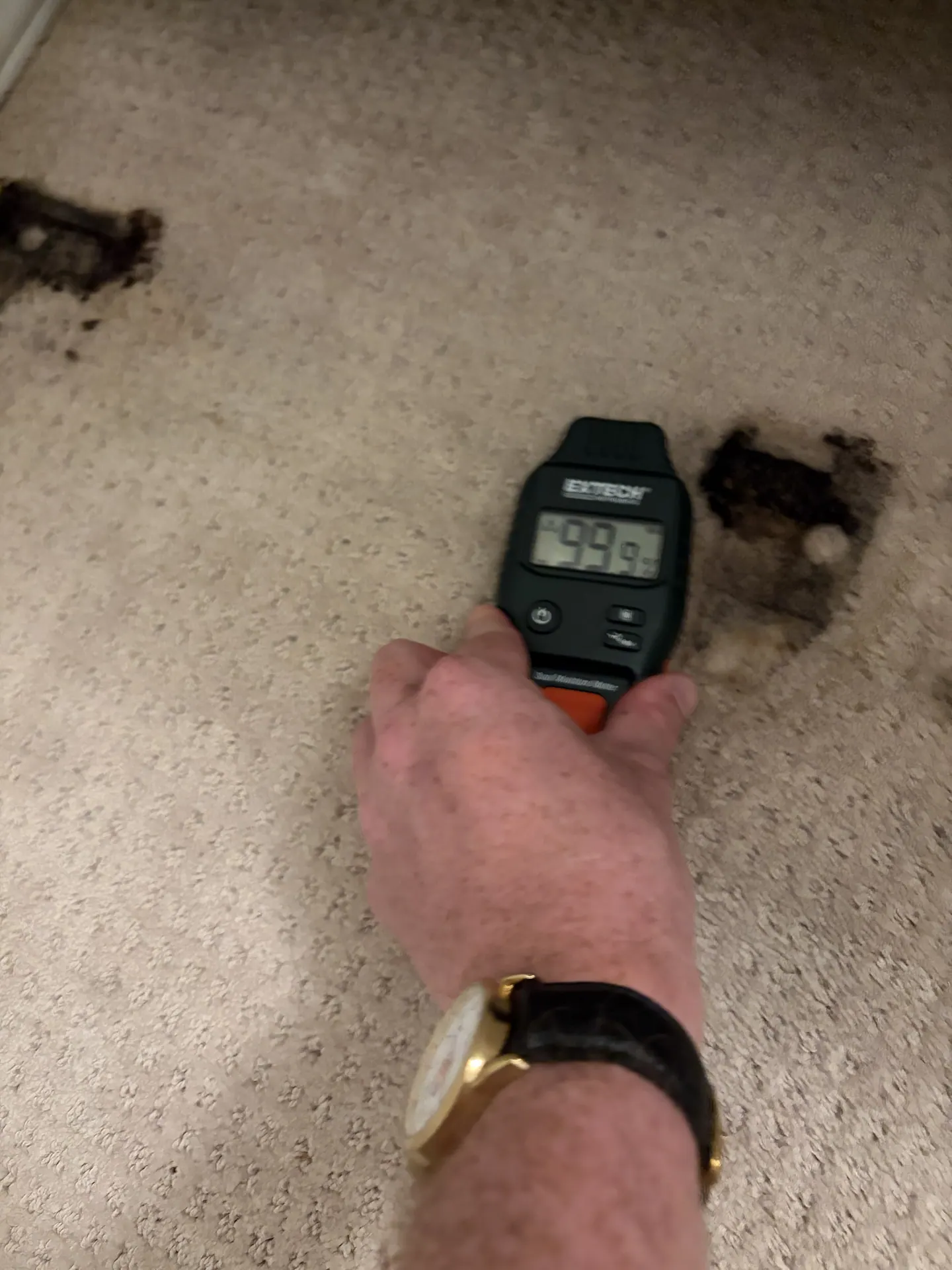
High-resolution photographs and written field notes record every sampling location, the condition of surrounding materials, moisture meter readings at each point, and the substrate type—building the evidentiary backbone of your final report.
Documented surface sampling. Our inspectors select tape lifts, sterile swabs, or bulk samples based on the material, visible or moisture conditions, and assessment question, then submit specimens to an accredited laboratory for analysis.
Our Surface Mold Sampling Options
Tape Lift Sampling
Adhesive tape applied directly to a surface lifts mold structures in their original arrangement and is then mounted on a slide for microscopic examination, keeping spatial relationships between organisms intact.
Best for: Flat, accessible surfaces such as painted drywall, window ledges, ceiling tiles, and finished woodwork where growth is visible and relatively uniform.
Swab Sampling
A sterile cotton or synthetic swab collects material from uneven or confined areas. Laboratory analysis describes the submitted specimen at the level supported by the method.
Best for: Irregular surfaces including tile grout, HVAC registers, plumbing connections, and crevices where adhesive tape cannot establish full contact.
Bulk Material Sampling
A small piece of the affected building component is excised and submitted to the lab, allowing analysts to determine how deeply mold has colonized the material's internal layers.
Best for: Decisions about whether contaminated drywall, lumber, insulation, or carpet backing requires complete removal or can be treated in place during remediation.
Micro-Vacuum Sampling
A precision vacuum attachment sweeps a defined surface area, collecting settled dust along with viable and non-viable mold particulates from reservoirs that other methods may miss.
Best for: Horizontal surfaces that accumulate airborne fallout—shelving, the interior of air ducts, and cavities above drop-ceiling panels.
Benefits of Professional Surface Mold Sampling
Laboratory Characterization
Surface specimens can provide laboratory information about the submitted material at the level supported by the collection and analysis method; visual and moisture context remains important.
Adds Context to Visual Findings
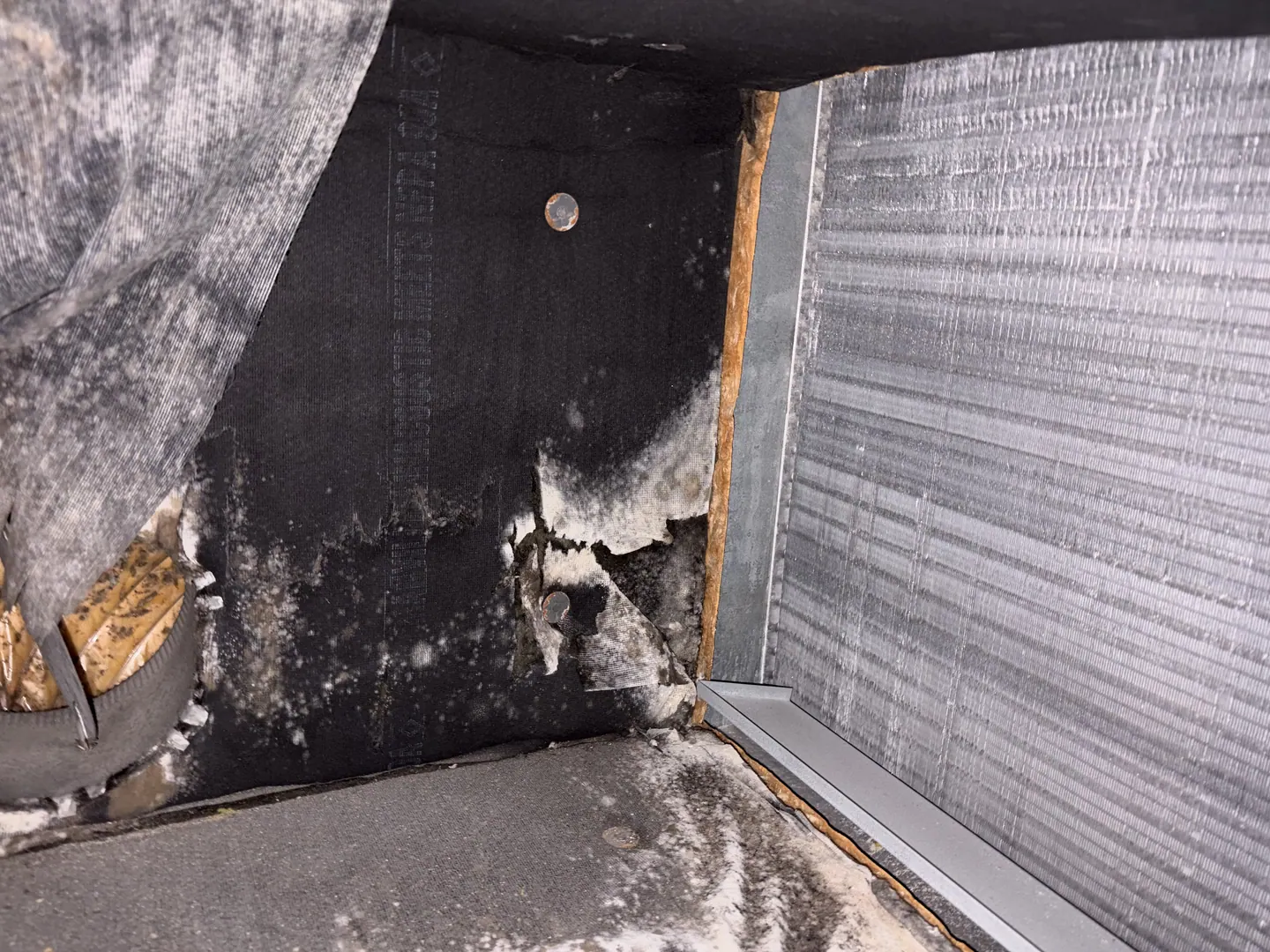
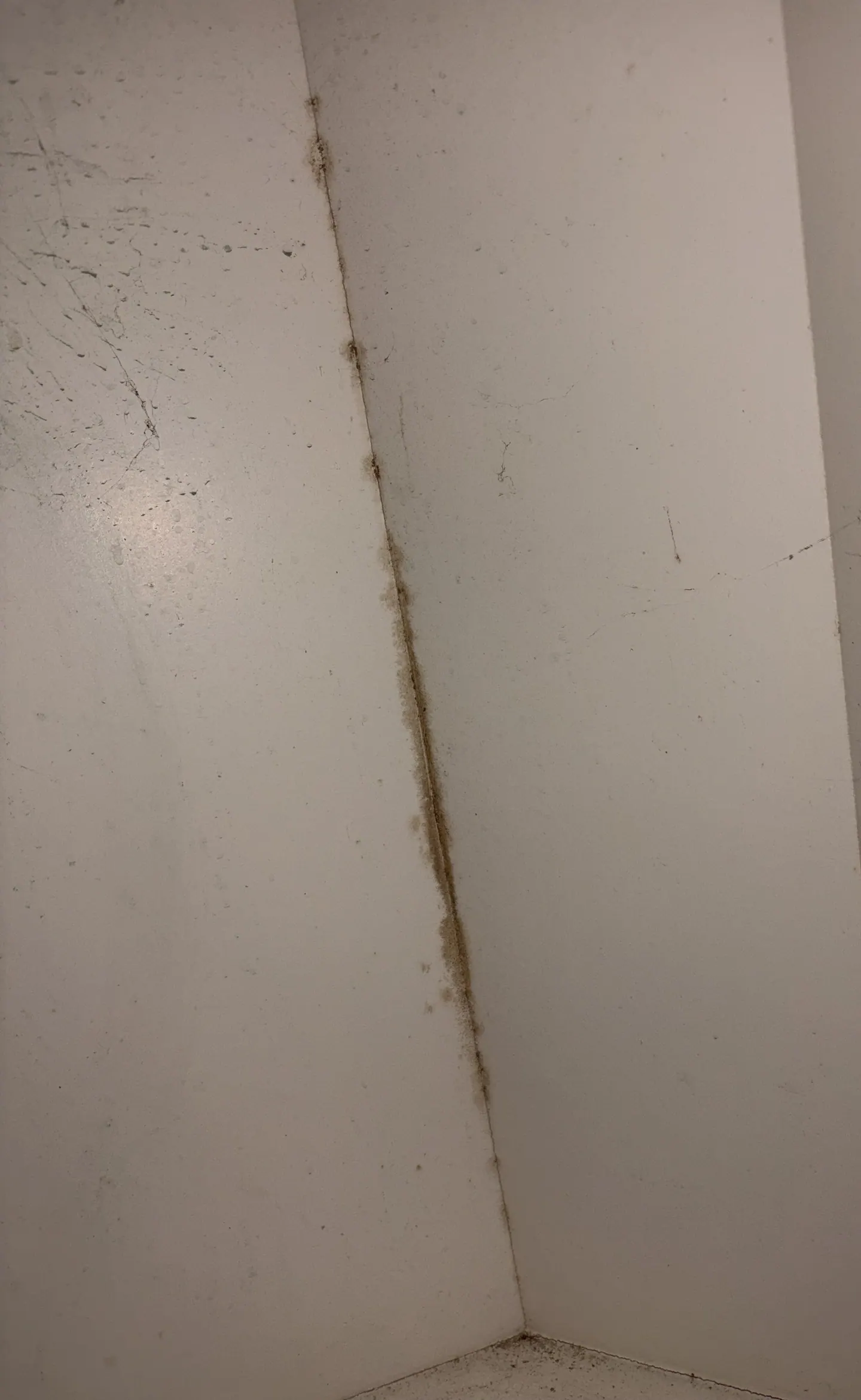
Dark marks may reflect dust, mineral deposits, soot, paint, or fungal growth. Sampling a selected area can add information, but no single specimen characterizes all nearby materials.
Adds Laboratory Context
Microscopic analysis describes structures observed in the submitted specimen. It does not by itself establish whether growth is active throughout the property or determine how urgently remediation should proceed.
Guides Material Decisions
Bulk specimen analysis exposes how deeply mold has penetrated a material, clarifying whether affected drywall, wood, or insulation can be surface-treated or must be torn out entirely.
Documents Sample Locations
Accredited lab reports tied to photographs and sampling locations can be retained with property records. Coverage and documentation requirements vary by policy and carrier. Check with your insurer or adjuster.
Focused Testing
Because samples are collected from identified areas of concern, surface sampling documents selected materials without implying a whole-property assessment.
Why Choose Mold Testing Dallas for Surface Mold Sampling?
Inspectors match collection techniques to each material's texture and condition and document the method used
Every sample is accompanied by high-resolution photographs that tie lab findings to specific locations inside your home, producing a clear visual record
Baseline samples from unaffected surfaces are collected alongside suspect areas, giving the lab context to differentiate normal environmental fungi from genuine contamination
Final reports pair laboratory data with plain-language interpretation, scope, and limitations to support next-step discussions
Appointments are available within the same week throughout the Dallas metro, with scheduling flexibility that includes early-morning and late-afternoon time slots
What Affects Surface Mold Sampling Cost in Dallas?
Number of Samples
Every individual specimen requires its own lab analysis. A typical visit yields 2-6 samples, depending on how many distinct areas of suspected growth the visual assessment uncovers.
Sampling Method
Tape lifts and swabs fall under standard pricing. Bulk material extraction, which involves physical removal of building components, adds both field time and additional laboratory processing costs.
Extent of Growth
When visible conditions span multiple rooms or surfaces, more samples may be discussed to document selected materials; no sampling plan characterizes every species or severity across a property.
Laboratory Analysis Level
Direct microscopy and other methods provide different levels of information. Additional culture or specialized analysis can raise laboratory fees and does not establish health effects.
Combined Testing
Pairing surface sampling with air quality testing may add context when the scope calls for it; the appropriate methods depend on the property question and access.
Our Initial Mold Assessment starts at $600 and includes two samples. the final base price depends on the size of the home and the situation. Additional mold samples are $75 each. Final pricing varies with property size, assessment scope, and required sampling. Call 940-240-6902 to discuss same-week appointments and current availability.
Frequently Asked Questions About Surface Mold Sampling
How much does surface mold sampling cost in Dallas?
Our Initial Mold Assessment starts at $600 and includes two samples. the final base price depends on the size of the home and the situation. Additional mold samples are $75 each. Final pricing varies with property size, assessment scope, and required sampling.
Can I tell what type of mold I have without professional testing?
Visual identification is limited: color, texture, and location can have several explanations. Laboratory analysis of a selected specimen may add information at the level supported by the method, but it does not characterize every material or establish health effects.
Should I clean mold before or after sampling?
If sampling is being considered, discuss the timing with the assessment professional before cleaning a selected area because cleaning may alter what can be collected. If an area has already been cleaned, available options depend on adjacent conditions, access, and the assessment question.
Is the dark spot on my wall actually mold?
It may or may not be. Dust, mineral staining, smoke residue, paint, and fungal growth can look similar. A visual and moisture assessment can provide context; laboratory sampling of a selected area may add information, but no single sample characterizes every nearby material.
How long do surface mold sampling results take?
Standard mold laboratory turnaround is 24–48 hours. The report describes the submitted material and method, with interpretation informed by location, timing, visible and moisture conditions, fungal ecology, and property history.
Can surface sampling detect mold inside walls?
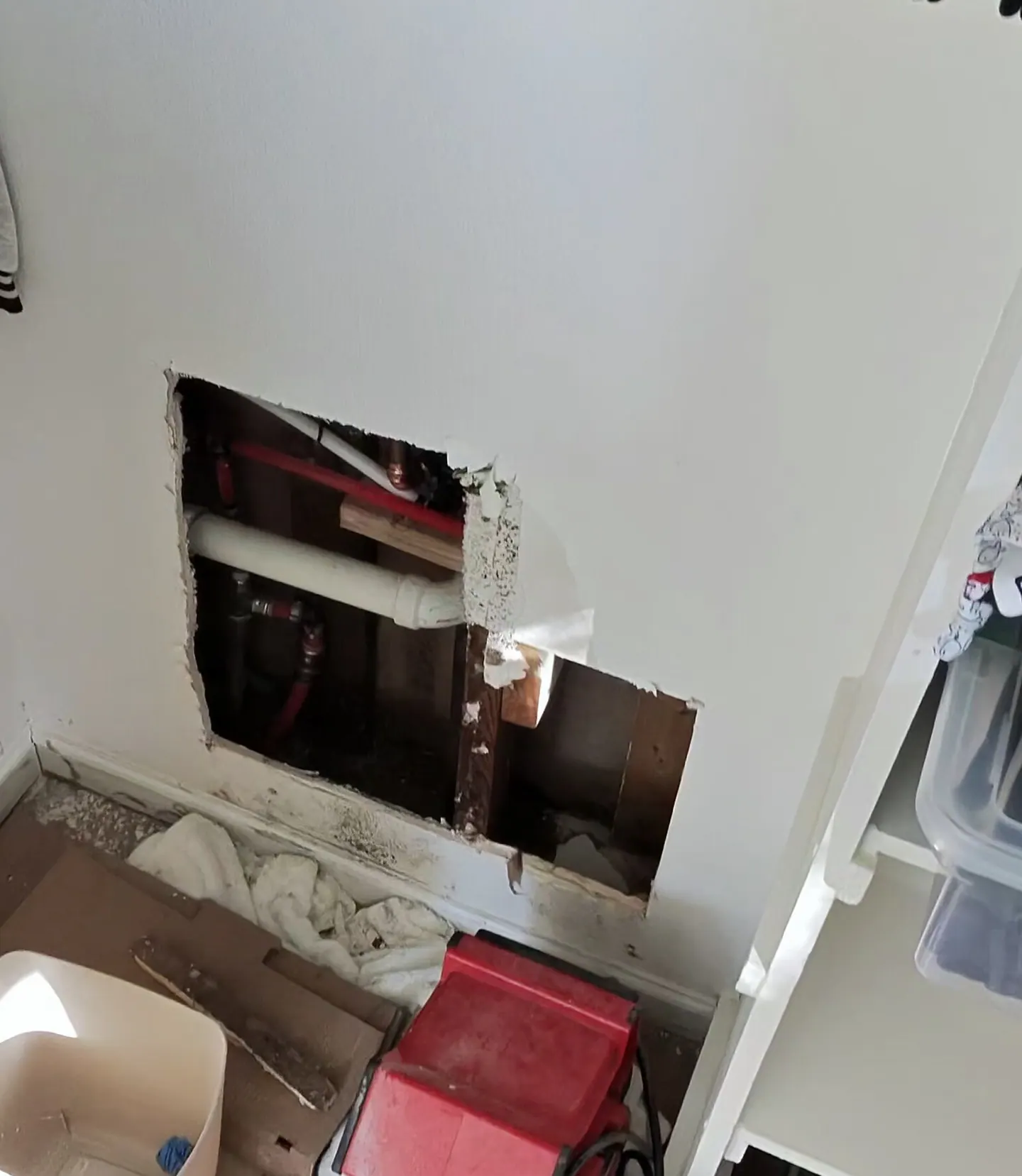
Surface sampling is limited to the material collected. It does not characterize an enclosed wall cavity. If a concealed source is a concern, a visual and moisture assessment, property history, and appropriately scoped investigation can help determine next steps.
What surfaces can be sampled for mold?
Many building materials may be sampled, including drywall, wood, ceiling tiles, window casings, tile and grout, carpeting, concrete, HVAC hardware, and insulation. The inspector selects a method suited to the material and condition, and not every surface is appropriate for every method.
Will surface sampling damage my walls or surfaces?
Tape lifts and swabs are typically low-impact, while bulk sampling removes a small piece of material. The inspector should explain the proposed method, location, and any expected alteration before collection.
Helpful Mold Testing Articles
Learn more about surface mold sampling and mold prevention from our expert guides:
Replace a visual guess with documented sampling when it fits the question. Our inspectors collect surface samples and provide laboratory findings with location, condition, and method context, plus appropriate next-step considerations.