What Is Professional Mold Testing?
Professional mold testing is a systematic process conducted by a licensed mold assessment consultant to determine whether mold is present in your home or building, identify the types and concentrations of mold, and assess the extent of any contamination. Unlike DIY mold test kits sold at hardware stores, professional testing follows rigorous scientific protocols and uses accredited laboratory analysis to deliver accurate, reliable results.
Our mold testing process includes a thorough visual assessment of your property, looking for visible signs of mold growth, water damage, and moisture intrusion. We then collect air samples and surface samples using calibrated equipment. Air samples capture mold spores suspended in your indoor environment, while surface samples identify mold growing on specific materials. All samples are sent to an independent, accredited laboratory for analysis. You receive a detailed report that includes spore counts, species identification, and comparison to outdoor baseline levels.
Professional mold testing gives you definitive answers about your indoor environment. Rather than guessing whether that dark spot is harmful or wondering if your allergy symptoms are mold-related, you get laboratory-confirmed data that tells you exactly what you are dealing with.
When Do You Need Mold Testing?
There are several situations where professional mold testing is strongly recommended. Understanding when to test can help you protect your health, your property, and your investment.
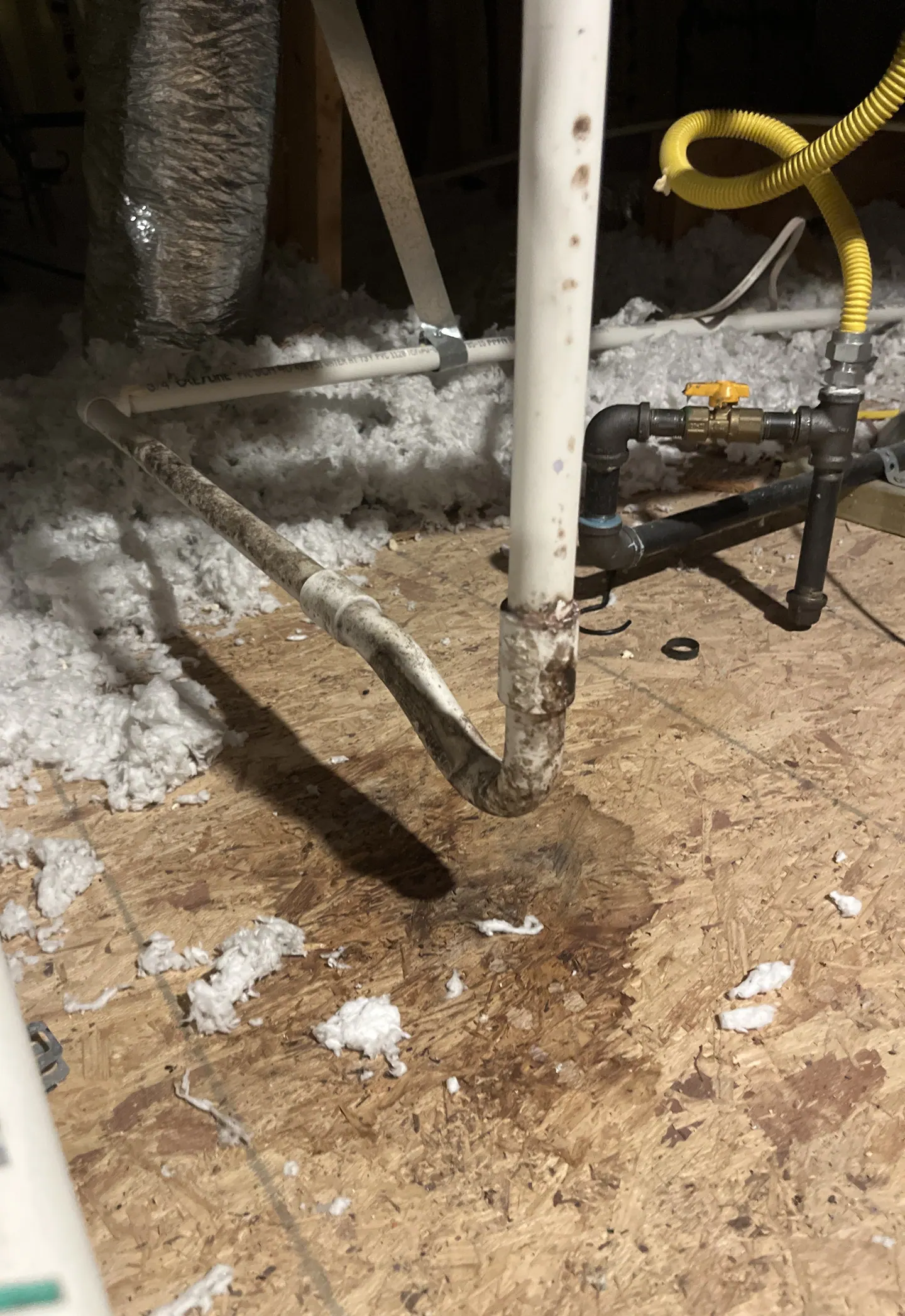
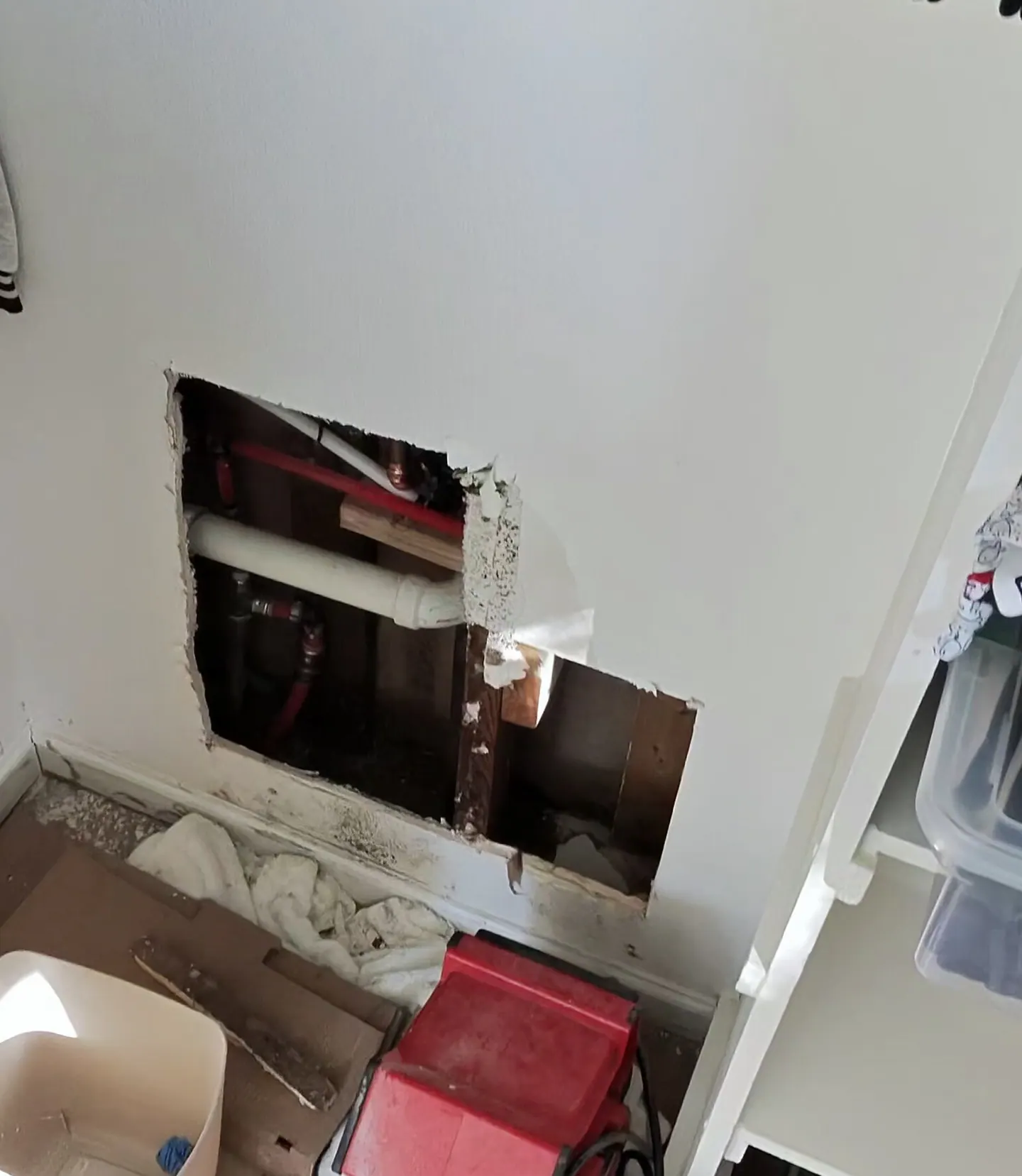
- After water damage: Any water intrusion event, whether from a burst pipe, roof leak, appliance malfunction, or flooding, creates the conditions mold needs to grow. Mold can begin colonizing within 24 to 48 hours of water exposure, often in hidden areas behind walls and under flooring.
- Musty odors: A persistent musty or earthy smell is one of the most common indicators of hidden mold growth. Even if you cannot see mold, odor-producing compounds called microbial volatile organic compounds (MVOCs) indicate active mold metabolism.
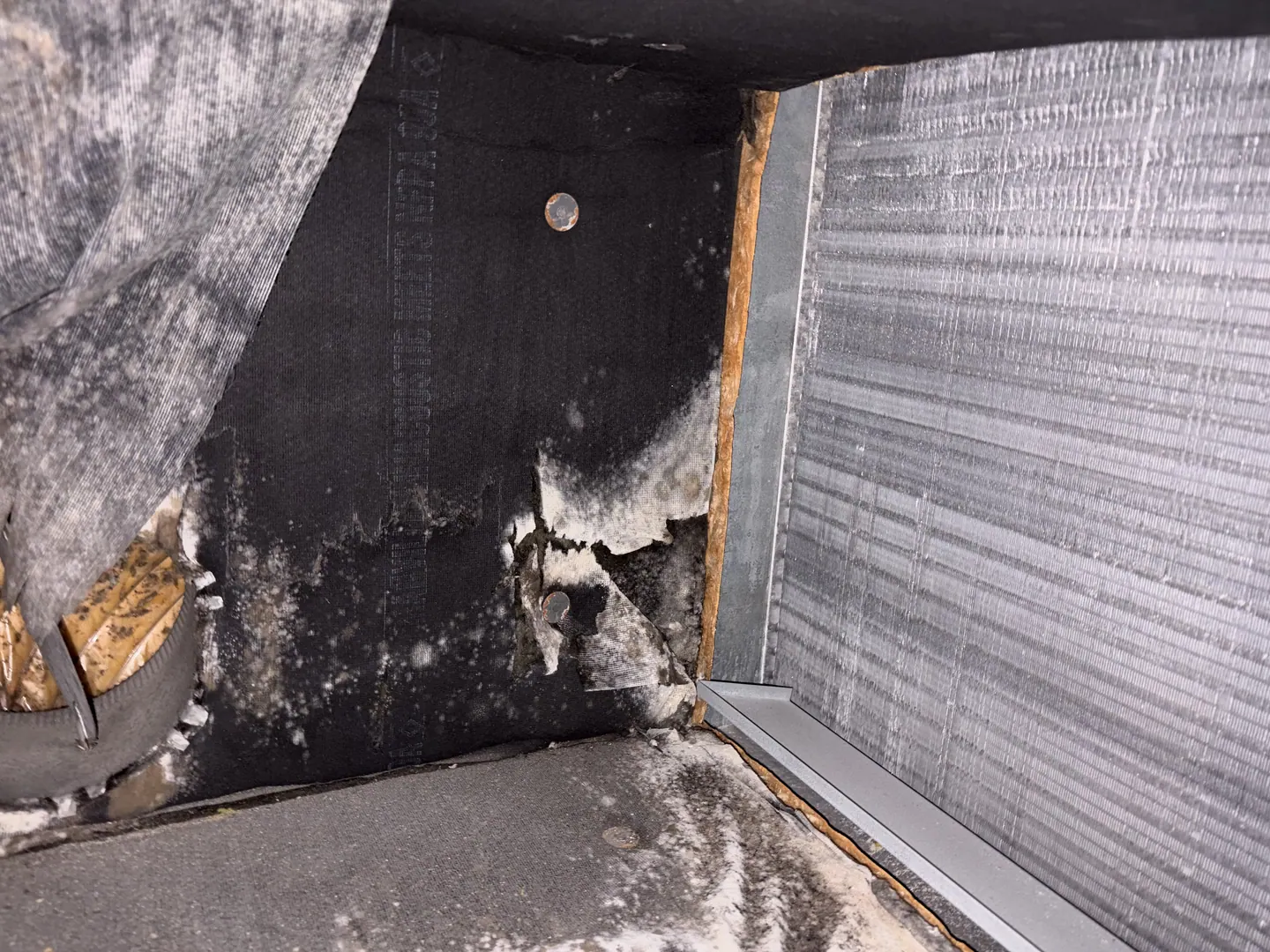
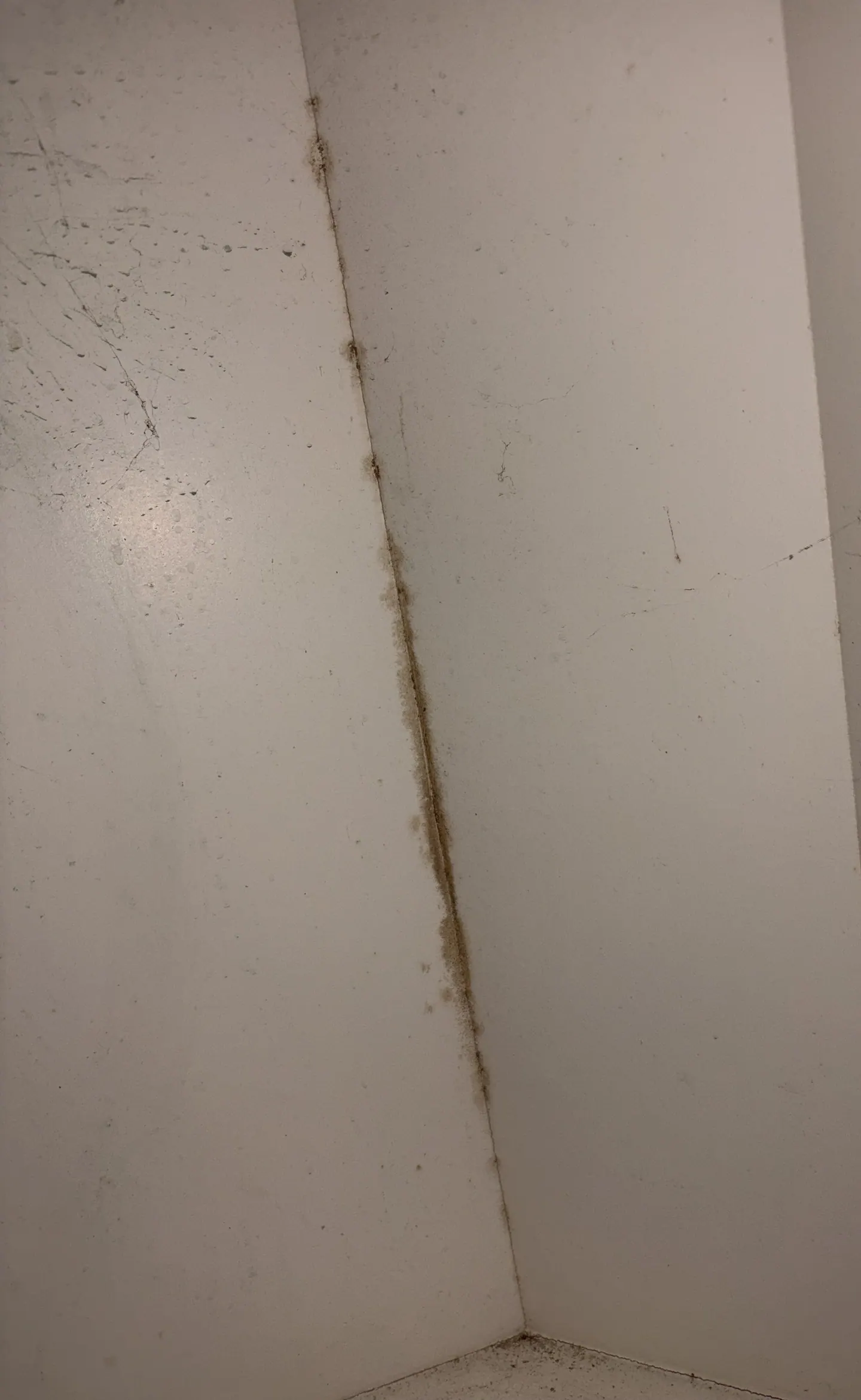
- Visible mold growth: If you can see mold, testing confirms the species present and determines whether airborne spore levels are elevated throughout your home, not just where you see the visible growth.
- Health symptoms: Unexplained allergy symptoms, respiratory issues, headaches, fatigue, or sinus congestion that improve when you leave your home may be related to mold exposure. Testing provides the data you need to make informed decisions.
- Real estate transactions: Whether buying or selling, a mold inspection provides transparency and protects all parties in the transaction.
- Post-remediation verification: After mold removal, independent clearance testing confirms the remediation was successful and the environment is safe for reoccupancy.
Our Mold Testing Process
When you schedule a mold test with Mold Testing Dallas, you can expect a thorough, professional experience from start to finish. Our process is designed to give you the most accurate and actionable information possible.
- Initial consultation: We discuss your concerns, any symptoms you have noticed, the history of the property, and any known water damage events. This helps us tailor our inspection approach to your specific situation.
- On-site visual assessment: Our inspector, Ethan Wright, conducts a comprehensive visual inspection of your property. This includes examining walls, ceilings, floors, crawl spaces, attics, HVAC systems, bathrooms, kitchens, and any areas with a history of moisture problems. We use moisture meters and thermal imaging to detect hidden moisture behind walls and under floors.
- Sample collection: Based on our assessment, we collect air samples and surface samples from strategic locations throughout your property. We always collect an outdoor control sample to establish a baseline for comparison. Samples are collected using calibrated equipment following industry-standard protocols.
- Accredited laboratory analysis: All samples are shipped to an independent, accredited laboratory. Air samples are analyzed using direct microscopy for spore identification and counting. Surface samples are analyzed for species identification and colony-forming unit counts.
- Detailed report delivery: You receive a comprehensive report that includes our visual findings, laboratory results with spore counts and species identification, indoor-to-outdoor comparisons, photographs, moisture readings, and clear recommendations.
- Follow-up consultation: We walk you through the results, answer your questions, and discuss next steps if remediation is needed. If mold removal is recommended, we can provide guidance on selecting a qualified remediation company.
Why Choose Mold Testing Dallas?
Choosing the right mold testing company matters. The quality of your testing directly affects the accuracy of your results and the decisions you make about your home and health.
- TDLR-licensed mold assessment consultant: Our inspectors are licensed by the Texas Department of Licensing and Regulation, meeting all state requirements for education, training, and continuing education in mold assessment.
- 100% independent: We do not perform mold remediation. This independence means our results are completely unbiased. We have no financial incentive to find mold or recommend unnecessary removal. You get the truth about your property.
- Ethan Wright performs every inspection: When you hire Mold Testing Dallas, you get a seasoned professional performing your assessment, not a subcontractor or technician in training. Ethan brings extensive experience in mold assessment, moisture diagnostics, and indoor air quality testing.
- Fast turnaround: We understand that waiting for results is stressful. We offer prompt scheduling, often within 24 to 48 hours, and laboratory results are typically available within two to three business days.
- Detailed, actionable reports: Our reports are thorough yet easy to understand. We do not just hand you a lab printout. We provide context, interpretation, and clear recommendations so you know exactly what to do next.
Mold Testing Cost in Dallas
One of the most common questions we receive is "how much does mold testing cost in Texas?" The cost of professional mold testing in Dallas depends on several factors, including the size of your property, the number of samples collected, and the type of testing performed.
A standard residential mold inspection with air sampling typically ranges from $375 to $500 or more, depending on the scope of the assessment. This includes the on-site visual inspection, sample collection, laboratory analysis fees, and your detailed report with recommendations. Larger properties, properties requiring more extensive sampling, or specialized testing such as ERMI or asbestos testing may be priced higher.
While it may be tempting to save money with a DIY mold test kit from a hardware store, these kits have significant limitations. They lack the calibrated sampling equipment, standardized protocols, and expert interpretation that professional testing provides. A $30 kit that gives you inaccurate or misleading results is not a bargain; it is a waste of money that could delay addressing a real problem.
Professional mold testing is an investment in your health and your property. The cost of testing is a fraction of the cost of the damage that undetected mold can cause to your home and your well-being.
Areas We Serve
Frequently Asked Questions
How much does mold testing cost in Dallas?
A standard residential mold inspection with air sampling in Dallas typically costs between $375 and $500, depending on the size of your property and the number of samples collected. This includes the on-site visual inspection, laboratory analysis fees, and a detailed report with recommendations. Specialized testing such as ERMI or extensive commercial inspections may cost more.
How long does a mold inspection take?
A typical residential mold inspection takes between one and two hours, depending on the size of your home and the complexity of the situation. Larger properties or homes with extensive water damage history may take longer. We take the time necessary to conduct a thorough assessment rather than rushing through the process.
Do I need mold testing after water damage?
Yes, mold testing after water damage is strongly recommended. Mold can begin growing within 24 to 48 hours of water exposure, often in hidden areas behind walls and under flooring. Even if the visible water has been cleaned up, moisture trapped in building materials can fuel mold growth for weeks or months. Testing confirms whether mold has developed and guides appropriate remediation if needed.
What is the difference between mold testing and mold inspection?
A mold inspection is a visual assessment of your property looking for signs of mold growth, water damage, and conditions conducive to mold. Mold testing involves collecting air and surface samples that are sent to a laboratory for analysis. A comprehensive mold assessment, like the service we provide, includes both the visual inspection and laboratory testing to give you the most complete picture of your indoor environment.
Is mold testing required for selling a home in Texas?
Mold testing is not legally required for selling a home in Texas. However, the Texas Seller's Disclosure Notice includes questions about known mold issues. Sellers who proactively test can provide transparency to buyers and potentially avoid post-closing disputes. Buyers are increasingly requesting mold inspections as part of their due diligence, especially in the current Dallas real estate market.
What types of mold samples do you collect?
We collect both air samples and surface samples. Air samples use calibrated pumps to draw a measured volume of air through collection cassettes, capturing airborne mold spores. Surface samples, including tape lifts and swabs, collect mold directly from suspect materials. We always collect an outdoor control sample to establish a baseline for comparison. The combination of air and surface sampling provides the most comprehensive assessment of your indoor environment.
How quickly will I get my mold test results?
Laboratory results are typically available within two to three business days after sample submission. Once we receive the lab report, we prepare your comprehensive assessment report and schedule a follow-up consultation to walk you through the findings and recommendations. Rush laboratory processing is available for an additional fee if you need results sooner.
Do you provide post-remediation clearance testing?
Yes, we provide independent post-remediation clearance testing to verify that mold removal was performed correctly. Texas law requires that clearance testing be conducted by a licensed mold assessment consultant who is independent from the remediation company. Our clearance testing includes visual inspection, air sampling, and laboratory analysis, and we issue a Certificate of Mold Remediation when the area passes.
Schedule Your Test Today
Licensed, independent mold and environmental testing you can trust.