- Location
- Dallas, Texas
- Property type
- Single-family residential
- Inspection type
- Limited mold assessment
- Primary concern
- Suspected growth on exterior attic HVAC condensate piping
- Inspection
- August 2026
- Published
- September 2026
The Situation
Approximately one week before the assessment, an HVAC technician performing routine maintenance noticed suspected organic growth on the PVC condensate drain lines serving the attic HVAC system. The homeowner requested an independent third-party mold assessment to document the condition, identify the suspected growth, and evaluate its probable cause.
The assessment was intentionally limited to the attic HVAC system and immediately surrounding attic area. Living areas were not inspected. No indoor living-space or exterior ambient air samples were collected.
What Was Inspected
- The exterior and accessible interior of the attic air handler, accessible connected ductwork, PVC condensate drain lines, and decking beneath the piping were evaluated.
- Methods included non-invasive visual inspection, comparative moisture-meter screening, attic temperature, relative humidity and dew-point measurements, and one surface swab.
- No building materials were removed. Concealed and inaccessible portions were not evaluated.
What We Observed
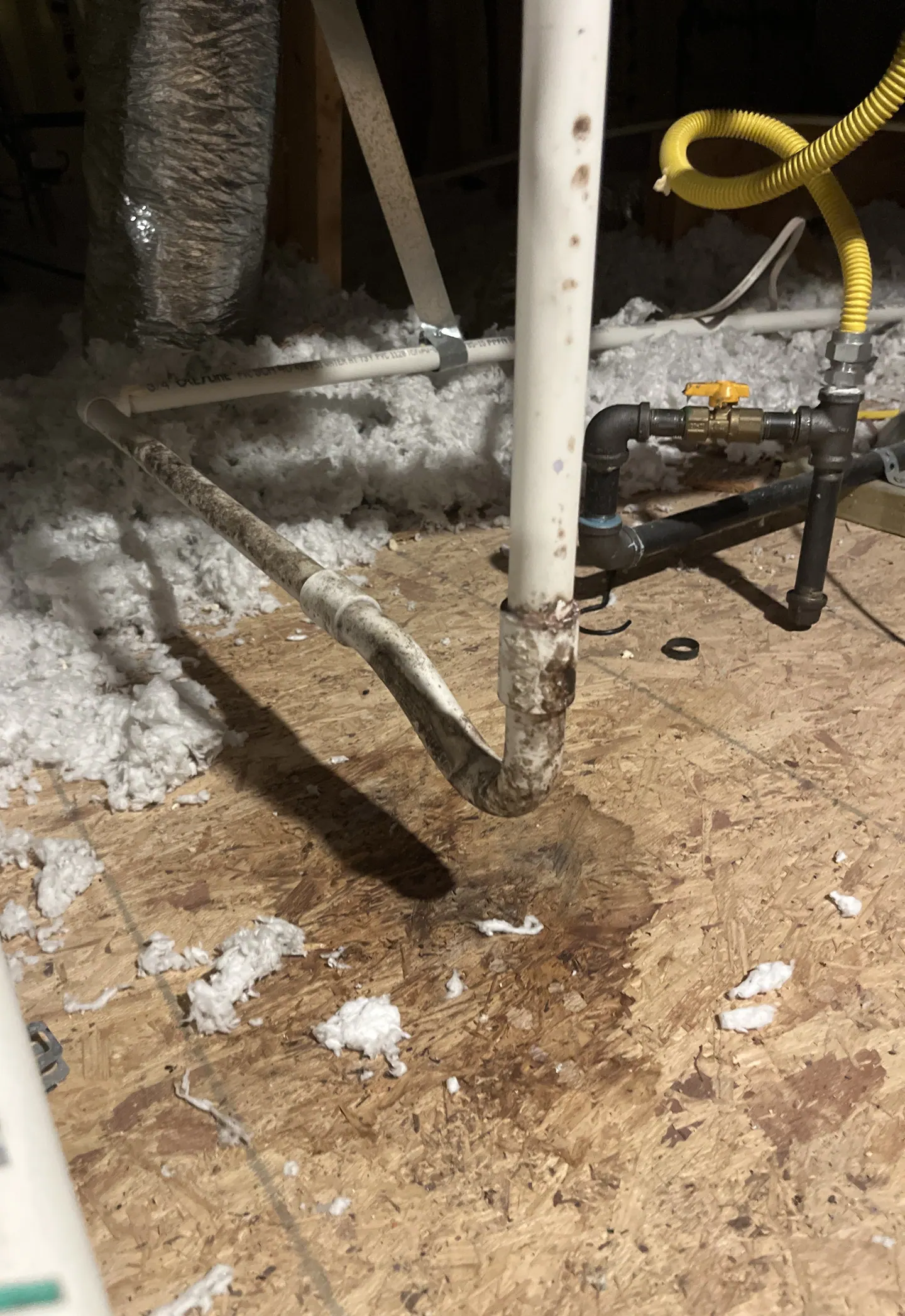
Dark speckled growth and discoloration were observed on several exterior portions of the uninsulated PVC condensate lines and fittings. The assessment documented the visible condition only within the inspected attic area.
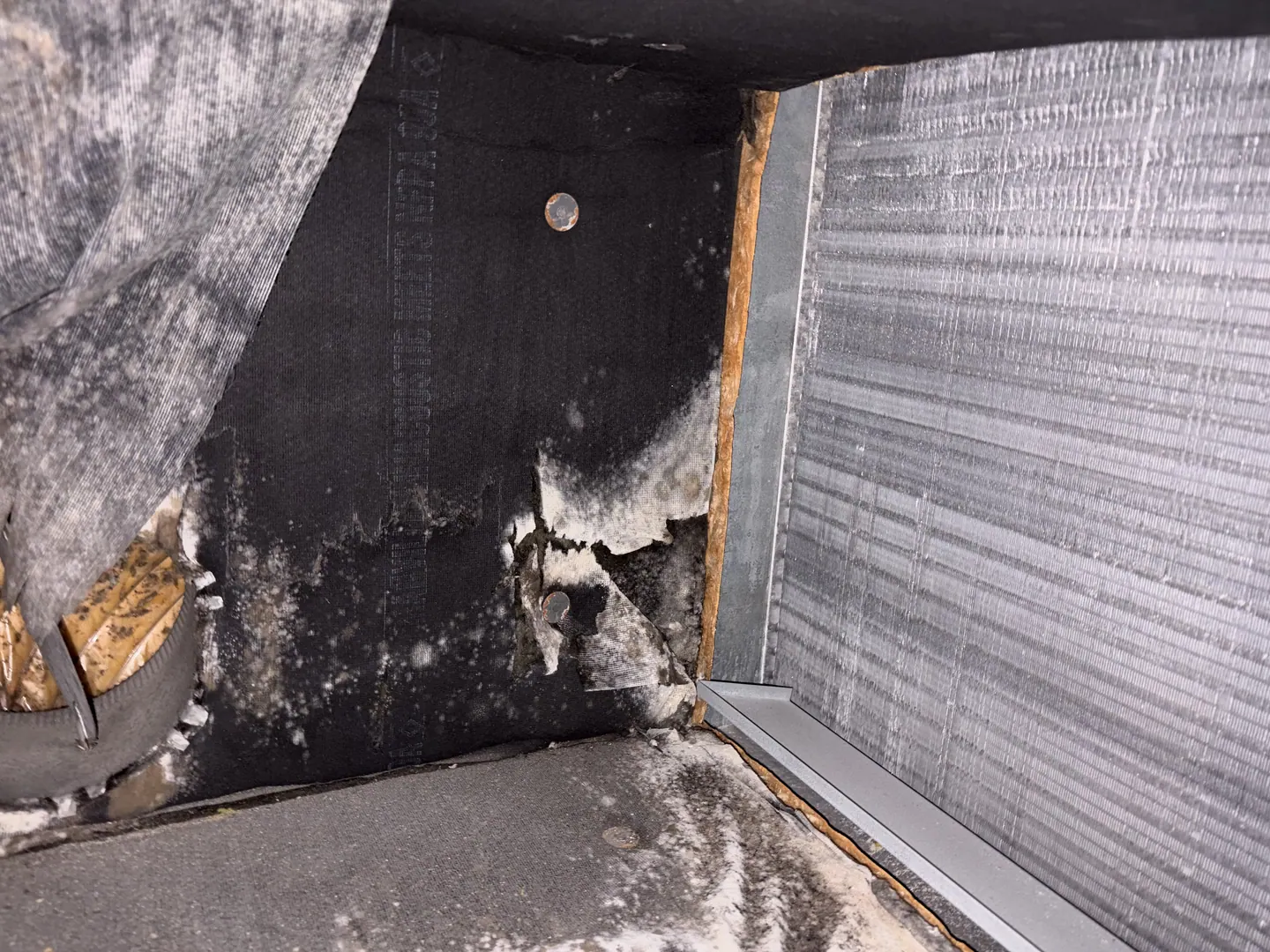
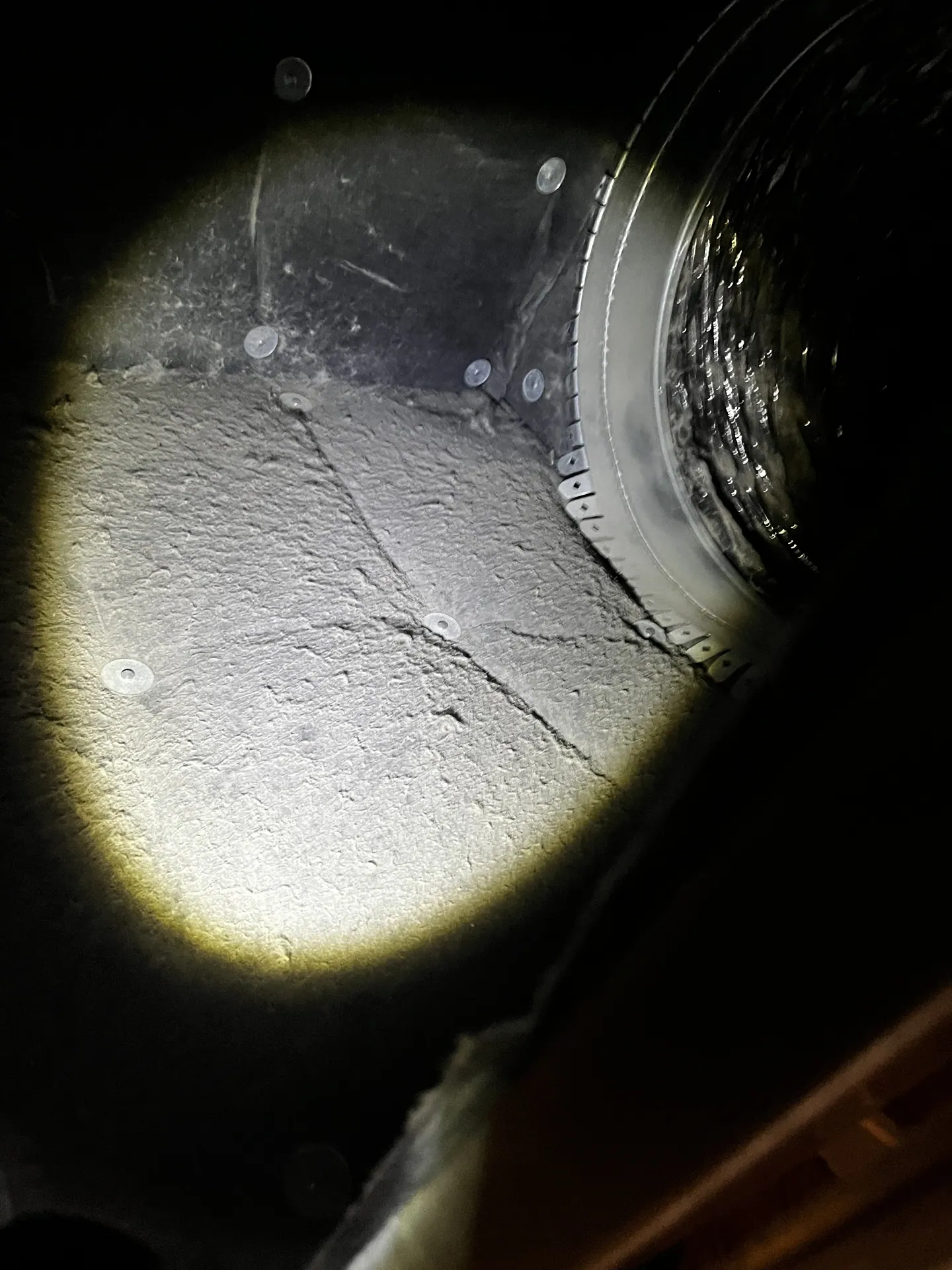
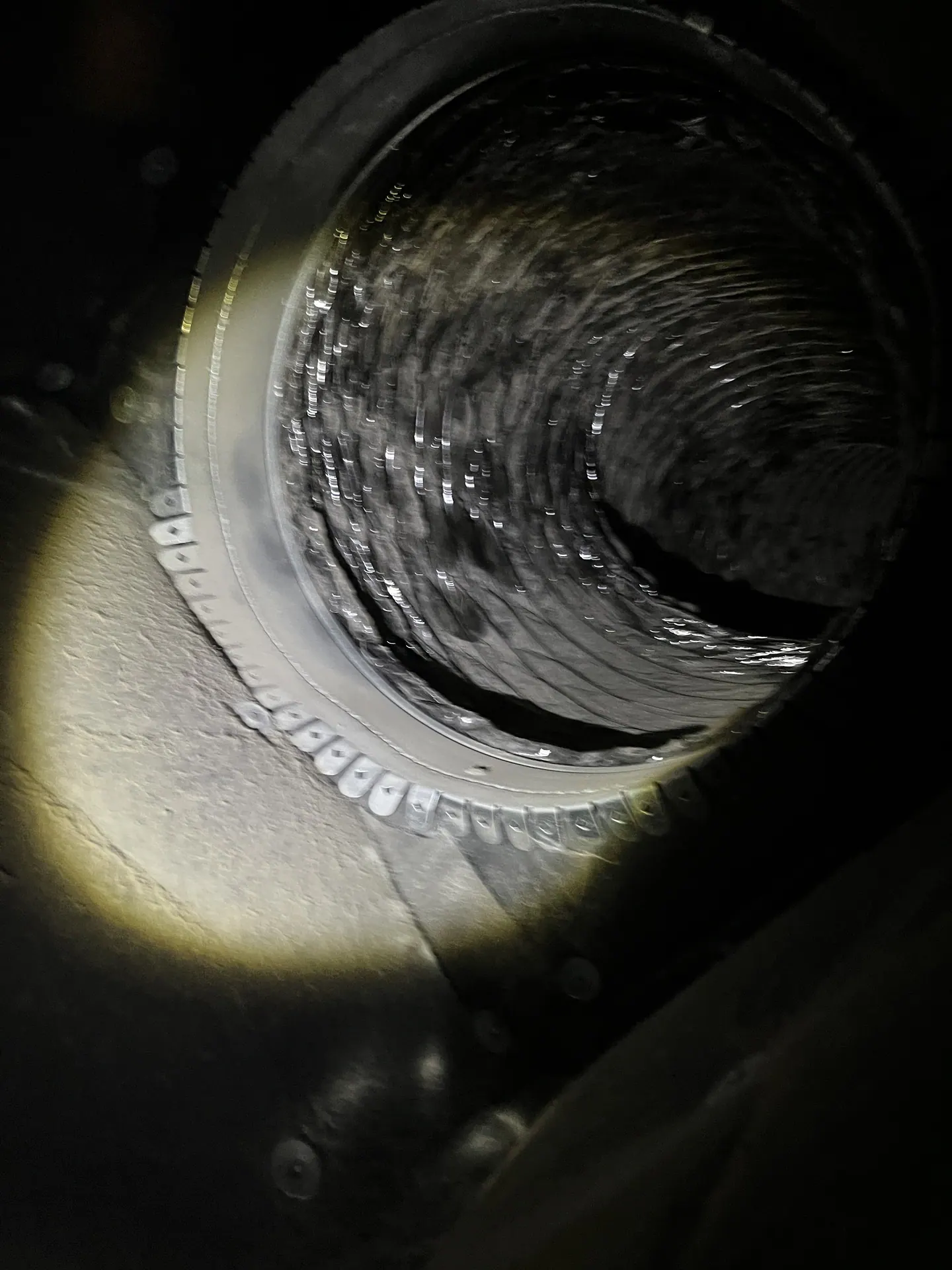
Accessible interior portions of the air handler and connected ductwork showed settled dust but no visible mold growth at the time of inspection.
Moisture / Building Conditions
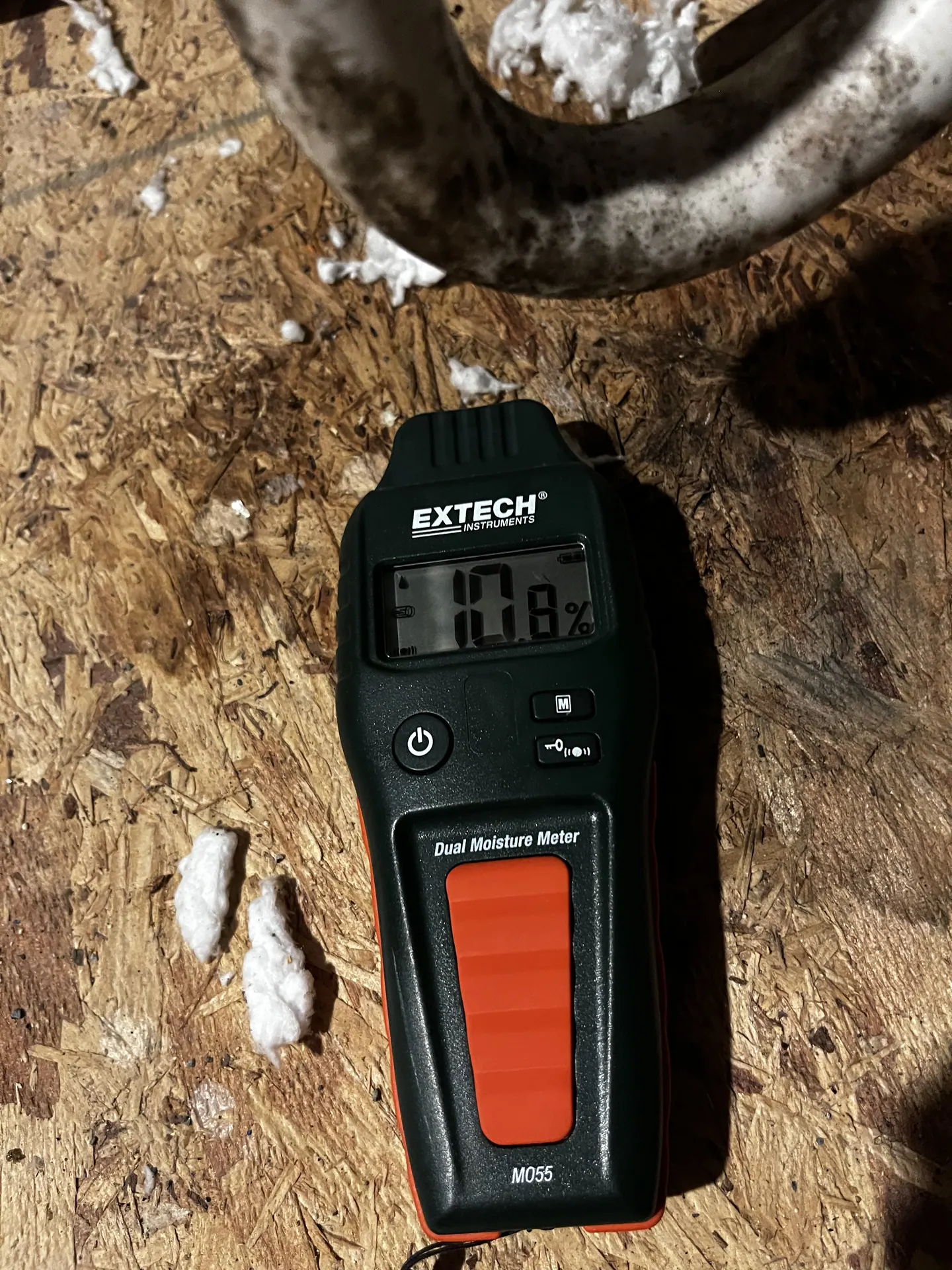
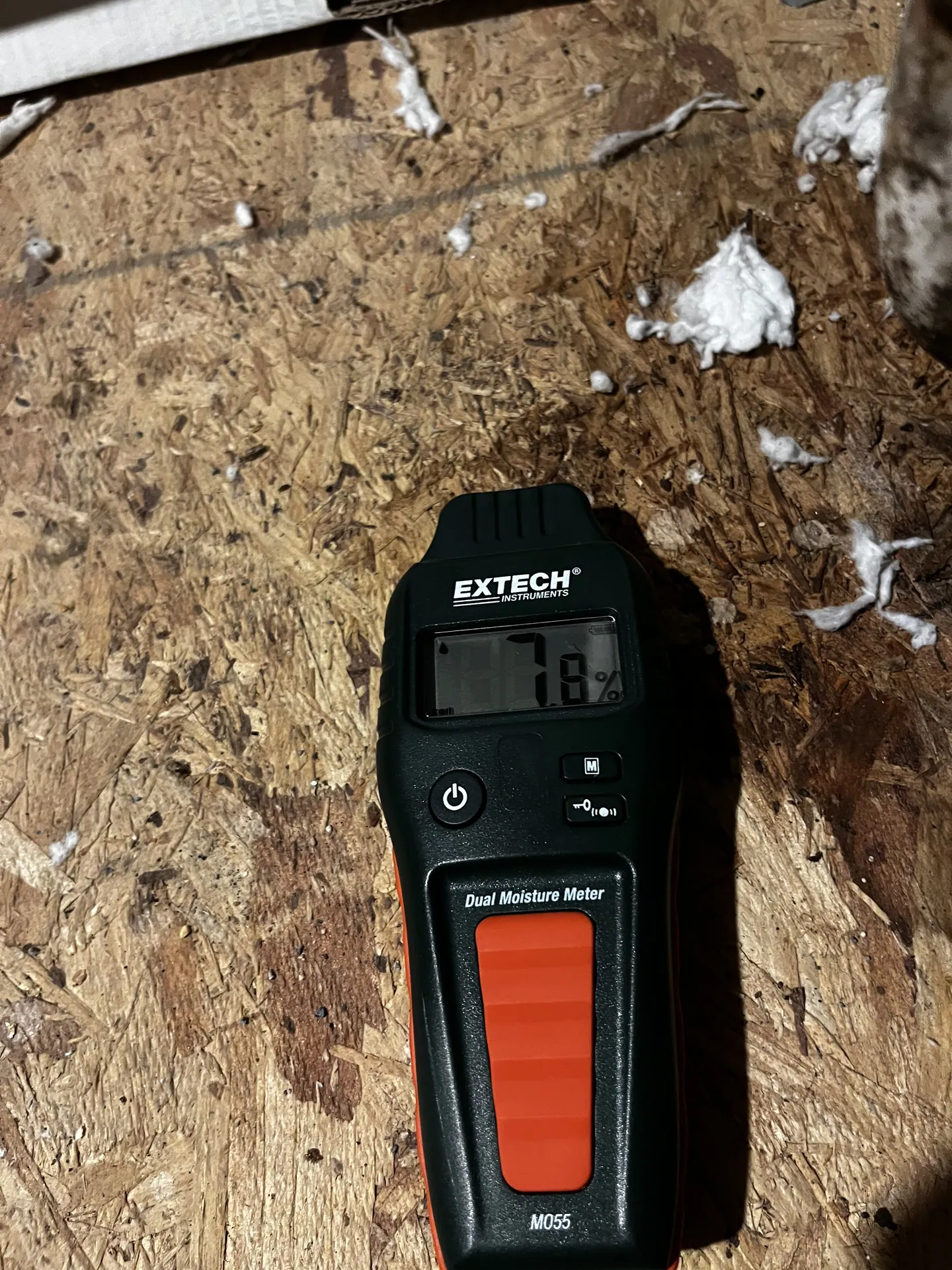
Water staining consistent with past wetting was observed on decking directly beneath a condensate-line fitting. Using an Extech MO55 in a comparative pinless screening mode, the stained area returned a 10.8 comparative reading and a visually unaffected reference area returned 7.8. These are comparative responses, not moisture-content percentages. The stained area produced a modestly higher response, but neither reading independently establishes whether moisture was or was not present within the decking.
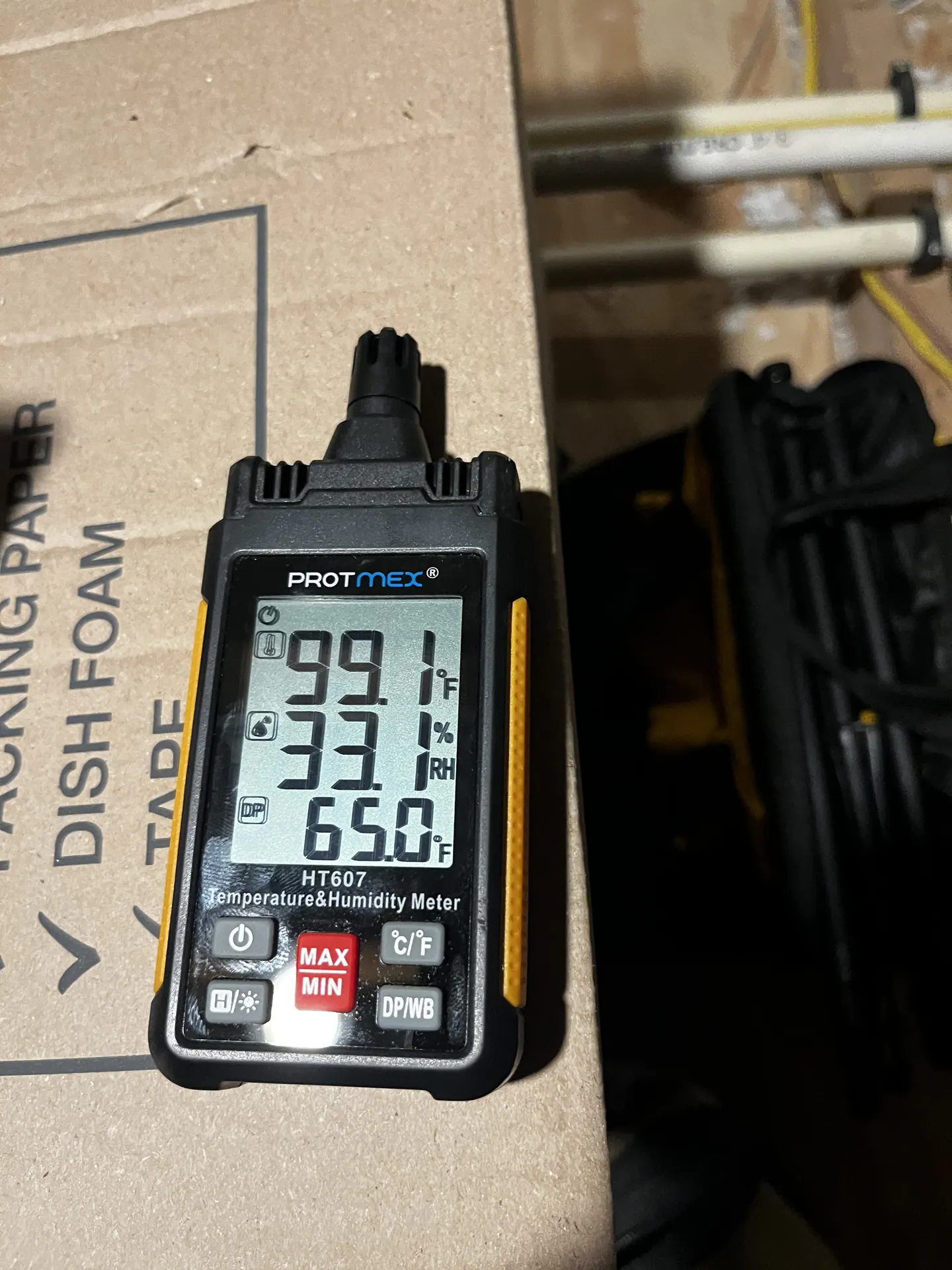
The attic instrument recorded 99.1°F temperature, 33.1% relative humidity, and a 65.0°F dew point at the time of inspection. These measurements do not represent typical year-round attic conditions.
Was Mold Found Inside the HVAC System?
No visible mold growth was observed on accessible interior portions of the air handler or connected ductwork at the time of this limited assessment. Settled dust was present. The assessment did not document fungal growth on those accessible interior surfaces.
Concealed and inaccessible HVAC and duct areas were not evaluated, so this observation does not rule out conditions in those areas.
Sampling Performed
- Surface swab — Visible growth on the exterior of an attic PVC condensate drain line: Direct microscopic examination, fungal limited analysis. One swab was collected; no air samples were collected.
Laboratory Findings
| Sample | Finding | Reported result | Context |
|---|---|---|---|
| Attic condensate drain line exterior | Cladosporium | Heavy | |
| Attic condensate drain line exterior | Hyphal fragments | Heavy |
Understanding the Laboratory Rating
For this surface examination, the laboratory defines Heavy as greater than three structures per field of view and notes that a Heavy rating may indicate that a sample was collected from a source of mold. It is not a health-risk rating, a measure of whole-home exposure, or an assessment of the living spaces.
What the Findings Suggested
The inspection report concluded that the laboratory findings together with visible surface growth were consistent with fungal growth on the exterior of the condensate piping. It identified recurrent condensation on the uninsulated line exteriors as the most probable cause, not a proven sole cause.
During cooling operation a condensate pipe can become cold. If its exterior surface temperature falls below the surrounding attic air's dew point, water can collect on the outside of the pipe. Repeated surface moisture can support fungal growth. The uninsulated lines, growth along portions of the runs, measured attic dew point, and past staining beneath a fitting were observations consistent with this explanation.
The report also stated that a minor intermittent leak at one or more fittings could not be ruled out as a contributing moisture source. The fitting condition requires evaluation rather than an assumed conclusion.
Recommendations
- Have a qualified HVAC professional insulate the condensate drain lines to reduce the likelihood of exterior surfaces falling below the surrounding attic-air dew point during cooling operation.
- Have the condensate fittings evaluated while the HVAC system is operating; correct any leakage that is found.
- Once the moisture source has been corrected, have affected exterior pipe surfaces cleaned by an appropriately qualified professional in accordance with applicable Texas mold requirements.
- Periodically monitor the attic HVAC area for new staining, recurring condensation, or suspected growth, and seek re-evaluation if conditions recur.
- No mold-related cleaning of the accessible interior air-handler or ductwork surfaces was recommended based on this limited assessment.
- The inspection report was not a mold remediation protocol.
What Homeowners Can Learn From This Case
Visible growth near HVAC equipment does not automatically mean it is growing inside the ducts or air handler. In this case, fungal growth was documented on the exterior of uninsulated condensate piping, while no visible growth was observed on accessible interior HVAC surfaces.
Cold HVAC components can develop surface condensation when their temperature falls below the surrounding air's dew point. Persistent surface moisture can support fungal growth. Exterior pipe growth, duct or air-handler contamination, roof or plumbing leaks, and condensation are different questions that may call for different investigations and corrective actions. Findings from this attic should not be assumed to apply to another property.
Questions About This Case
Can mold grow on an AC condensate drain line?
Yes. Moisture can form on the outside of cold condensate piping when its surface falls below the surrounding air's dew point. Persistent surface moisture can support fungal growth.
Does mold on a condensate pipe mean there is mold in the ductwork?
Not necessarily. Here, fungal growth was documented on exterior piping, while no visible mold growth was observed on accessible interior surfaces of the air handler or connected ductwork. Concealed areas were not evaluated, and each system requires its own assessment.
Why would mold grow on PVC AC drain pipe?
Recurring surface condensation on cold, uninsulated piping is one possible cause. Leakage at a fitting may also contribute moisture and should be evaluated when indicated.
Should AC condensate lines in an attic be insulated?
For this property, the assessor recommended having a qualified HVAC professional insulate the lines to reduce the likelihood of the pipe exterior falling below the attic-air dew point during cooling operation. This is a case-specific recommendation, not a statement of universal building-code requirements.
Can mold testing identify growth on an HVAC condensate line?
Surface sampling can help identify fungal material on visible growth. In this case, the condensate-line swab contained Heavy Cladosporium and Heavy hyphal fragments.
Related Services
Seeing Mold or Discoloration Around Your HVAC System?
If you are seeing suspected mold, staining, condensation, or unexplained growth around HVAC equipment, Mold Testing Dallas can evaluate the conditions and help determine what is occurring at your property.
Schedule a Mold InspectionInspection performed by Ethan Wright, TDLR Licensed Mold Assessment Technician (MAT #1589).