
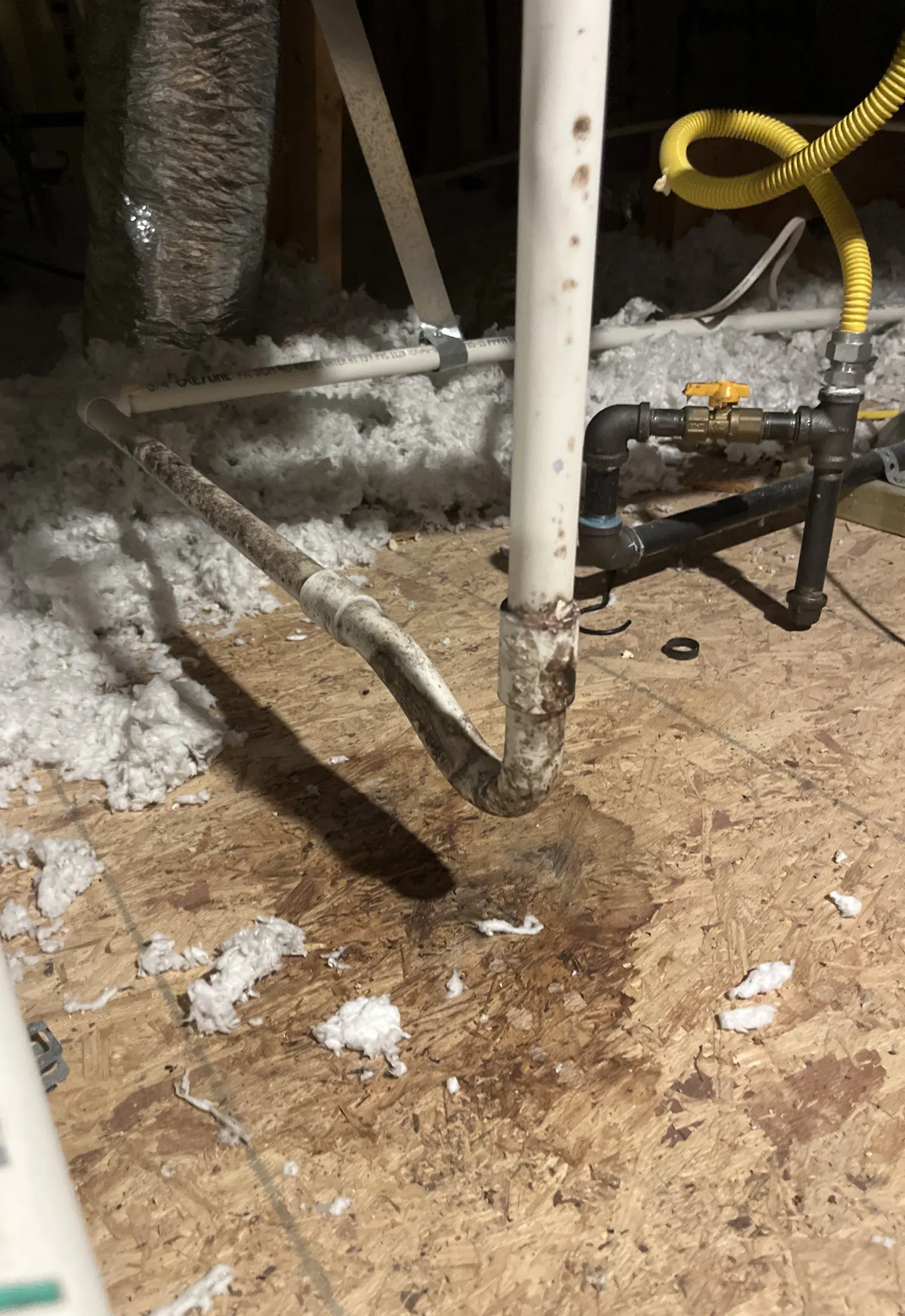
Mold on an AC Condensate Drain Line in a Dallas Attic
A Dallas homeowner requested an independent assessment after an HVAC technician noticed suspected growth on attic condensate piping. A surface swab supported fungal growth on the pipe exterior; no visible mold growth was observed inside accessible portions of the air handler or connected ductwork.
View Case Study →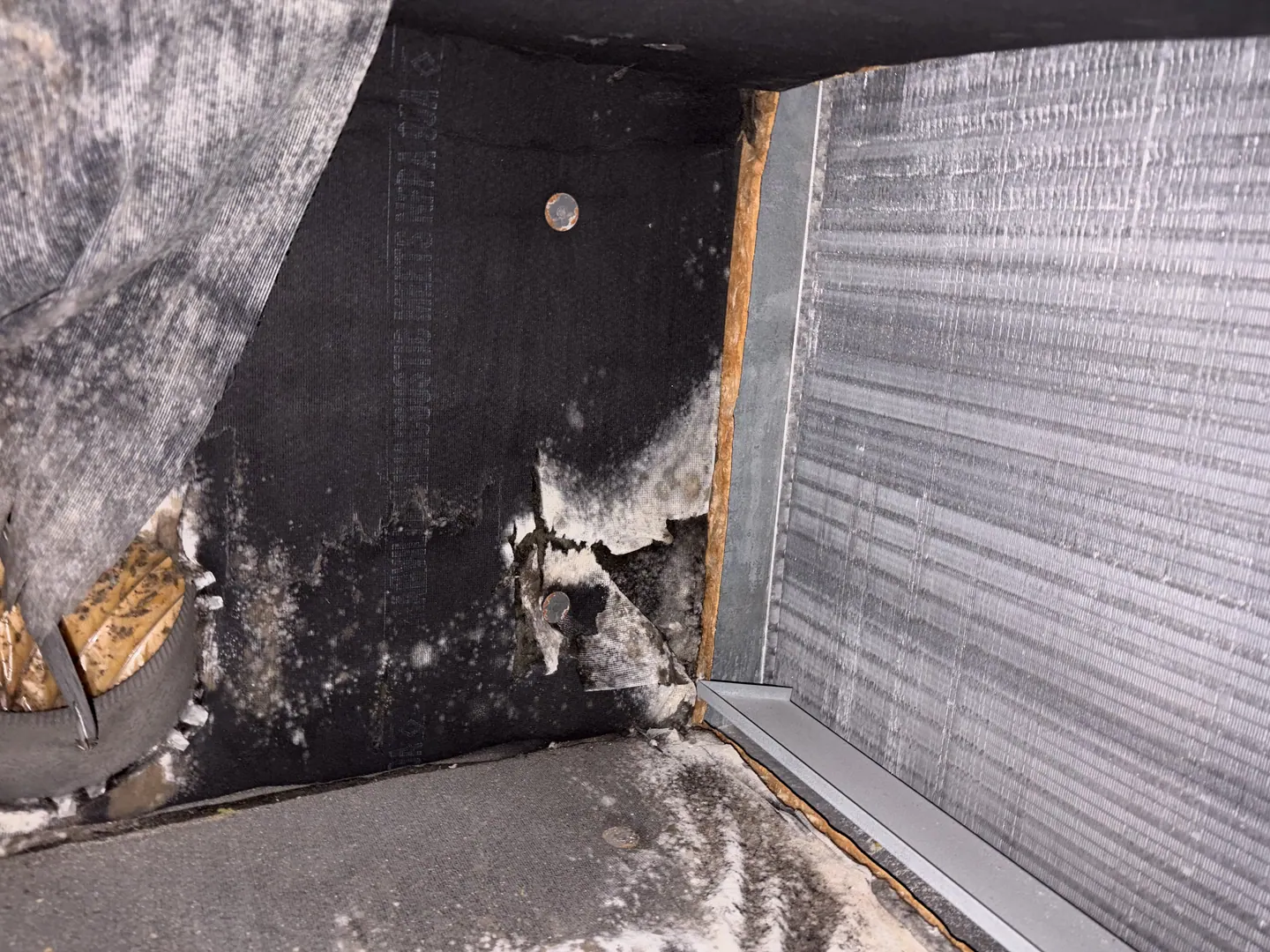
Mold Found Inside an HVAC Supply Plenum in a Dallas Home
A Dallas homeowner requested an independent assessment after an HVAC professional reported suspected growth inside an attic supply plenum. Accessible fiberglass duct-board liner showed extensive surface colonization. Surface swabs supported fungal growth inside the plenum and on a downstream living-room supply grill. No air samples were collected.
View Case Study →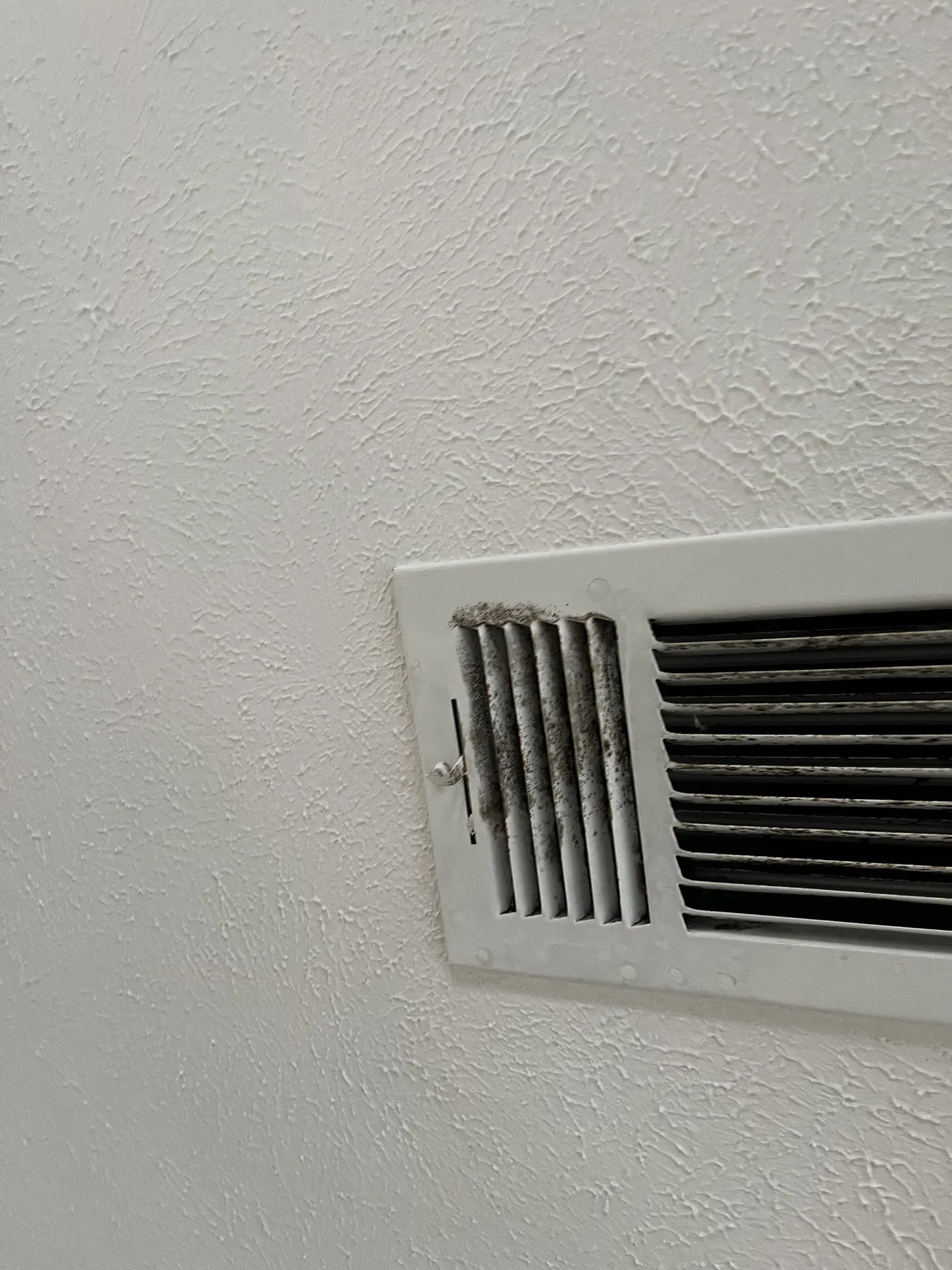
Mold Found Inside One HVAC Duct Branch in a Dallas Home
A Dallas homeowner requested an independent assessment after an HVAC contractor saw material inside supply ductwork that might have been microbial growth or dirt. Two playroom supply grills and accessible interior surfaces behind them showed visible growth. Both grills shared one duct branch with damaged jacket and insulation; the accessible air handler and other inspected runs showed no comparable growth. A swab from the left playroom grill returned Heavy Cladosporium, while the playroom air sample did not show amplification relative to an outdoor comparison at the sampled time.
View Case Study →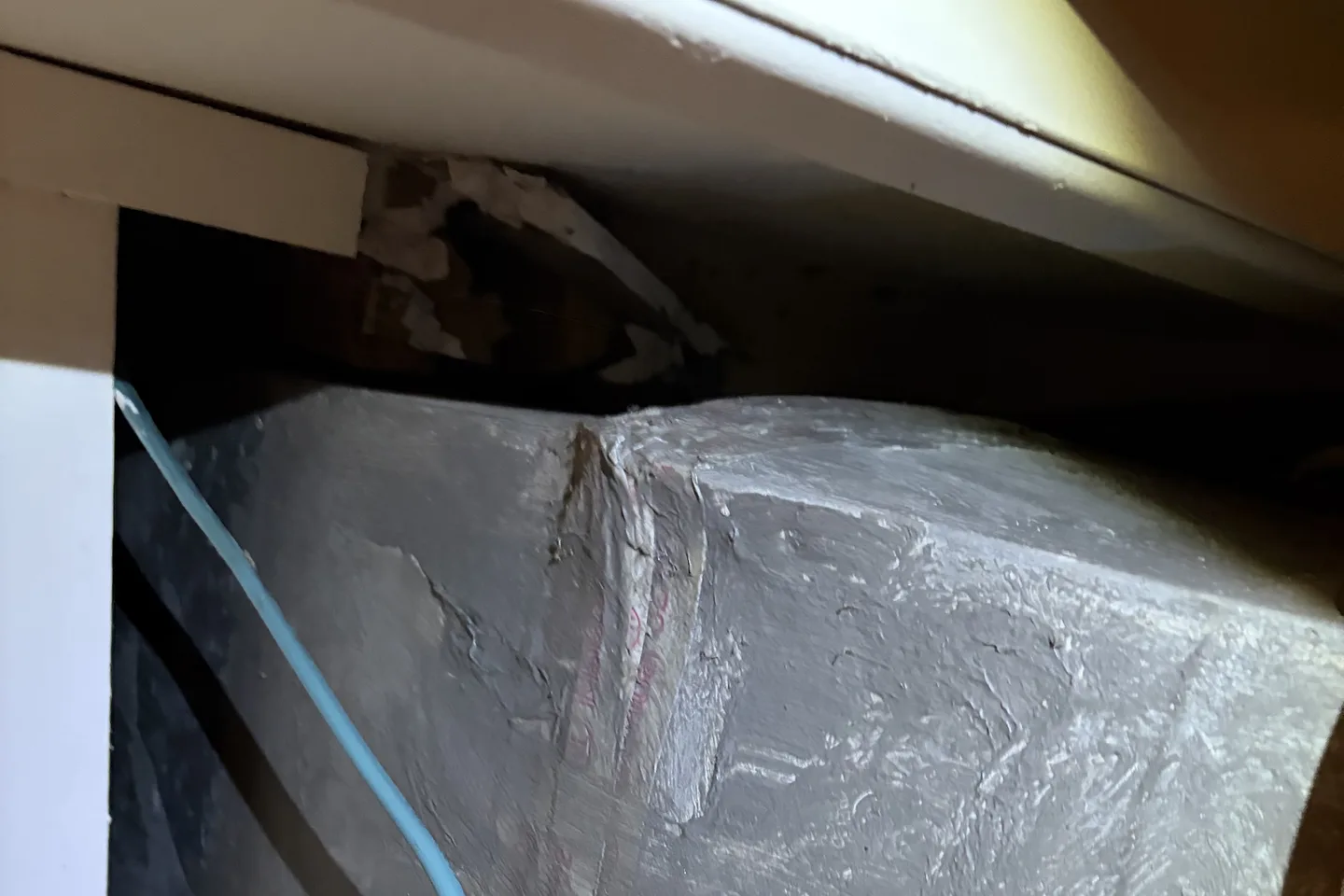
Musty Bedroom Traced to Attic Air Leakage Around an HVAC Closet
A Dallas homeowner requested a limited mold assessment for a persistent musty bedroom odor, reported prior HVAC-related flooding that had already been mitigated, and discoloration visible through an existing wall opening. During active rain, the assessor observed no active water intrusion, visible current water damage or elevated comparative moisture responses on accessible surfaces. Borescope inspection found no suspect growth within its limited field of view. Large unsealed gaps connected the vented attic to an HVAC closet that opened into the bedroom, and a musty odor was noted there. Bedroom humidity measured 61.9%. In the assessor's professional opinion, attic-air entry was the most likely odor source and a likely contributor to the elevated humidity.
View Case Study →Mold Confirmed Inside an HVAC Supply Plenum in Dallas
A homeowner who had recently purchased an older Dallas residence requested an independent assessment after an HVAC contractor opened the supply plenum and observed apparent fungal growth. Brown growth and a surface swab supported fungal growth on the sampled plenum surface. Room-air samples did not indicate airborne fungal amplification relative to the same-day outdoor reference. The homeowner had the plenum replaced by others. Five days later, follow-up indoor air samples remained low, with no detectable Aspergillus/Penicillium-like spores or hyphal fragments. No outdoor reference was collected on the second visit: this was an air re-check, not a formal clearance assessment.
View Case Study →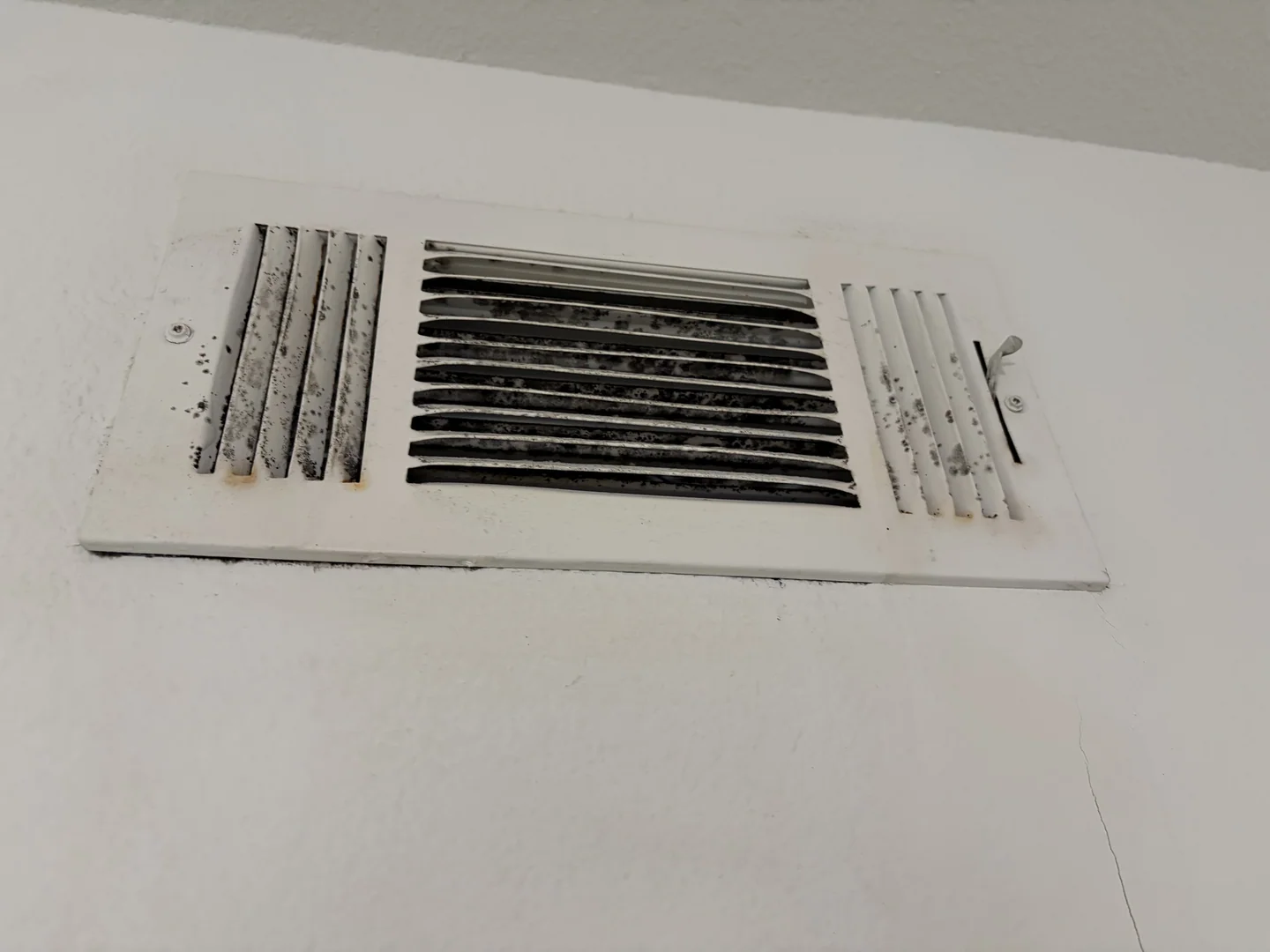
Mold Growth on HVAC Supply Registers in an Irving Apartment
An occupant requested an independent assessment after noticing dark discoloration on HVAC supply registers in an Irving apartment. The assessment confirmed localized growth on the bathroom, bedroom, bathroom walk-in closet and office registers, and on interior metal surfaces of the bathroom register boot. A swab from the bedroom grille returned Heavy Cladosporium and Heavy hyphal fragments. Using the assessor-corrected sample identities, bedroom air contained 550 total fungal structures/m³ versus 2,000 outdoors. The lower indoor result did not negate the localized surface growth. The cause was not established, and ductwork beyond the borescope's view remained unevaluated.
View Case Study →