
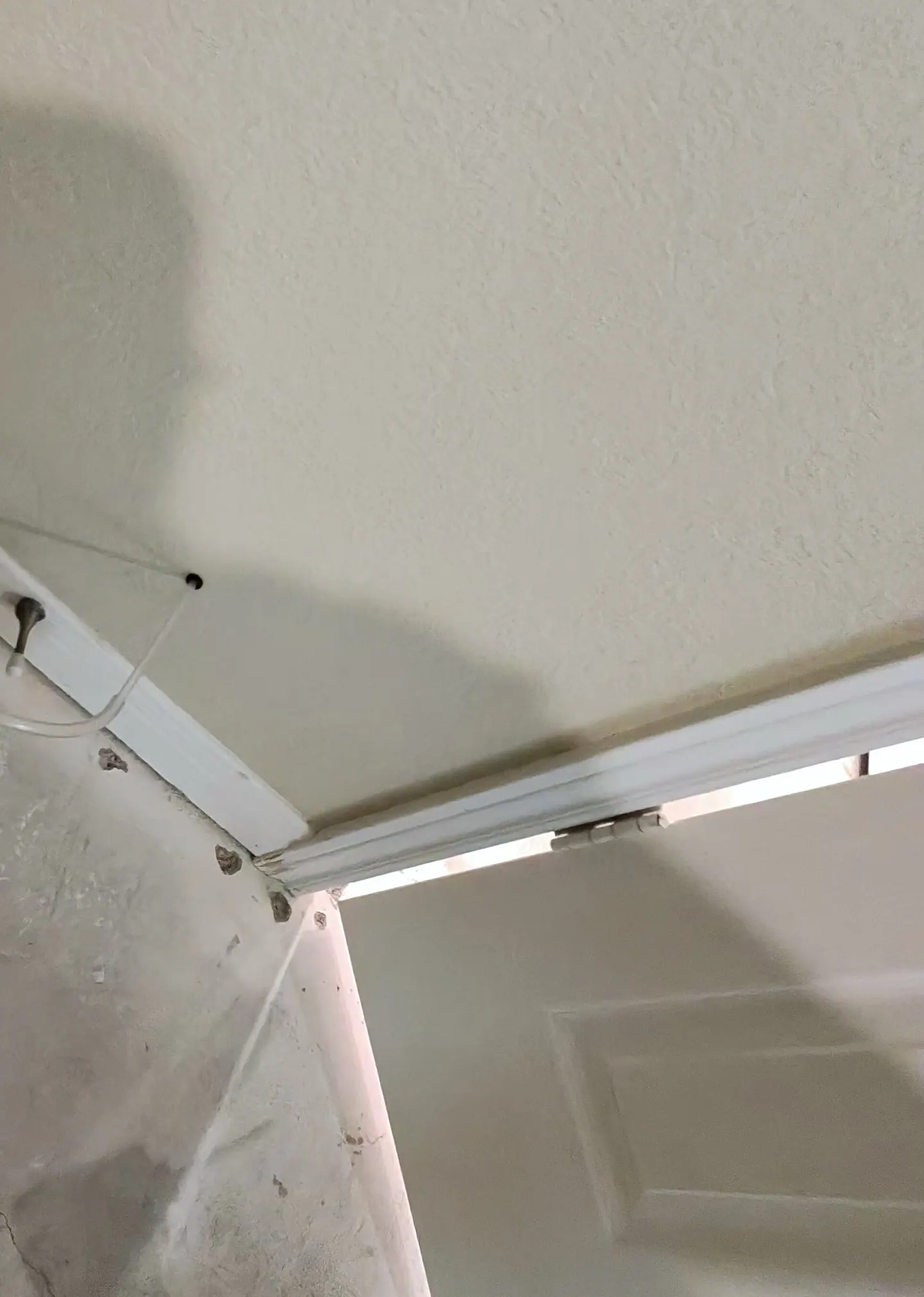
Hidden Mold Concern After an Undetected Water Leak in a Dallas Home
A Dallas homeowner requested an assessment after several past water events, including a master-closet leak that reportedly went undetected for a time and left stored belongings with visible mold. By inspection, the belongings and flooring were gone, the slab was exposed, and no visible mold appeared on accessible master-closet surfaces. A 5-liter air sample from the previously affected corner had the highest fungal finding among four sampled wall cavities. Two other 5-liter cavity samples had no mold detected. The closet wall was not opened, so the condition of concealed materials remained undetermined.
View Case Study →Hidden Mold Found Inside Wall Cavities in a Dallas Home
A Dallas homeowner requested a limited assessment after concerns about possible concealed mold and prior water-damage conditions. Occupied-room air samples were below the outdoor reference, while two concealed wall cavities had substantially different findings. One cavity showed moisture abnormalities, deteriorated finishes and apparent growth by borescope; a second cavity returned more than 55,000 total fungal structures per cubic meter when re-sampled after its first sample was occluded. An upstairs storage area also showed moisture and apparent growth.
View Case Study →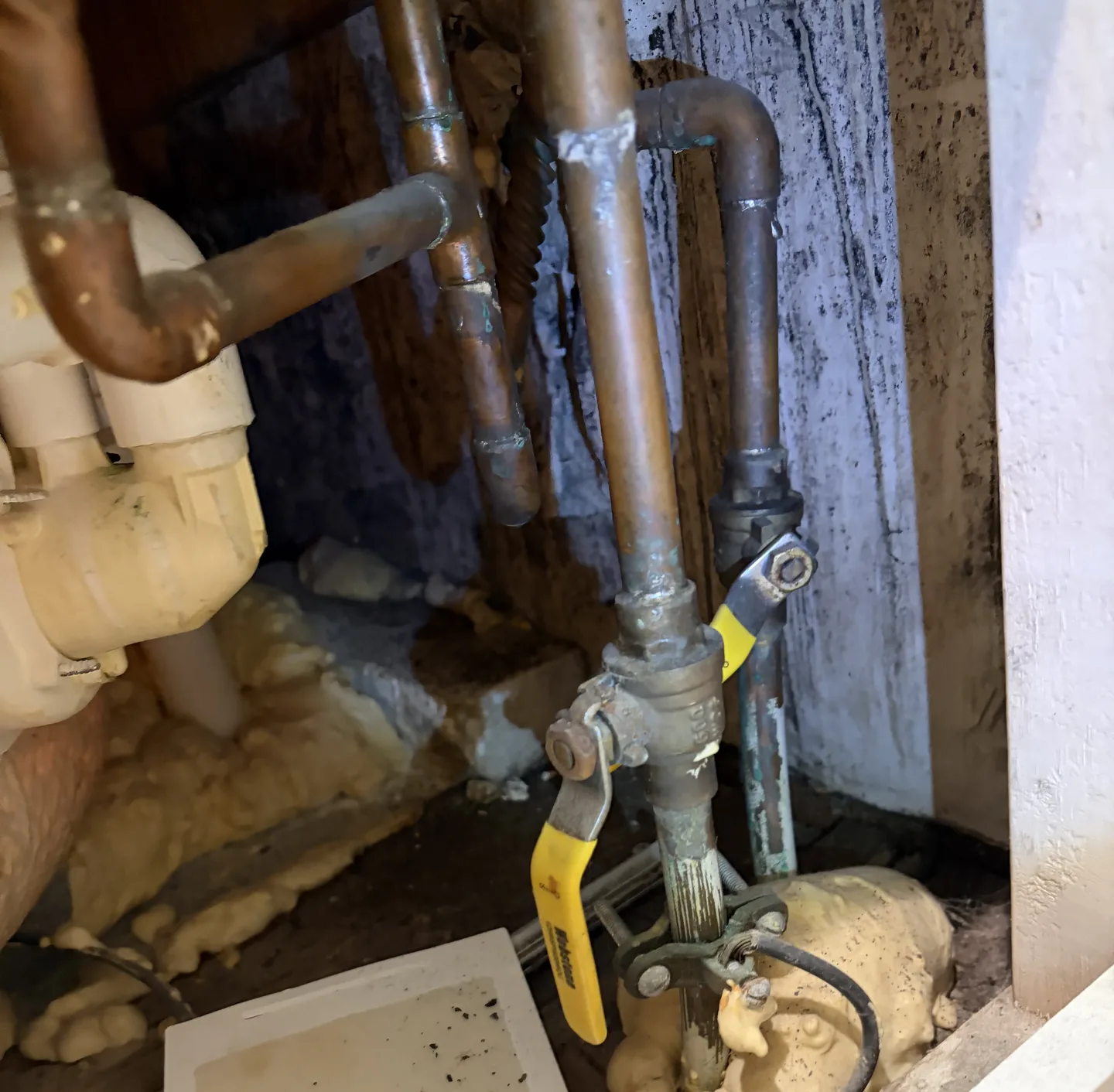
Hidden Mold Found Beneath a Jetted Bathtub
A homeowner requested a limited mold assessment of a master bathroom drop-in jetted tub and an upstairs bathroom. Through an existing faucet-end access panel, the assessor observed dark growth on concealed wall surfaces and framing behind the supply plumbing. A surface swab returned Heavy Stachybotrys and Moderate hyphal fragments, and Stachybotrys was detected in master-bath air. Growth was confirmed at the faucet-end area; all cavity-wall surfaces not visible from the opening remained suspected, not confirmed. After the initial assessment, a contractor reported an office-closet moisture anomaly at the wall shared with the shower and supplied photographs showing apparent crawlspace subfloor water damage. Mold Testing Dallas did not personally observe or independently measure those later conditions. The water source remained unconfirmed, with both shower and tub plumbing requiring investigation.
View Case Study →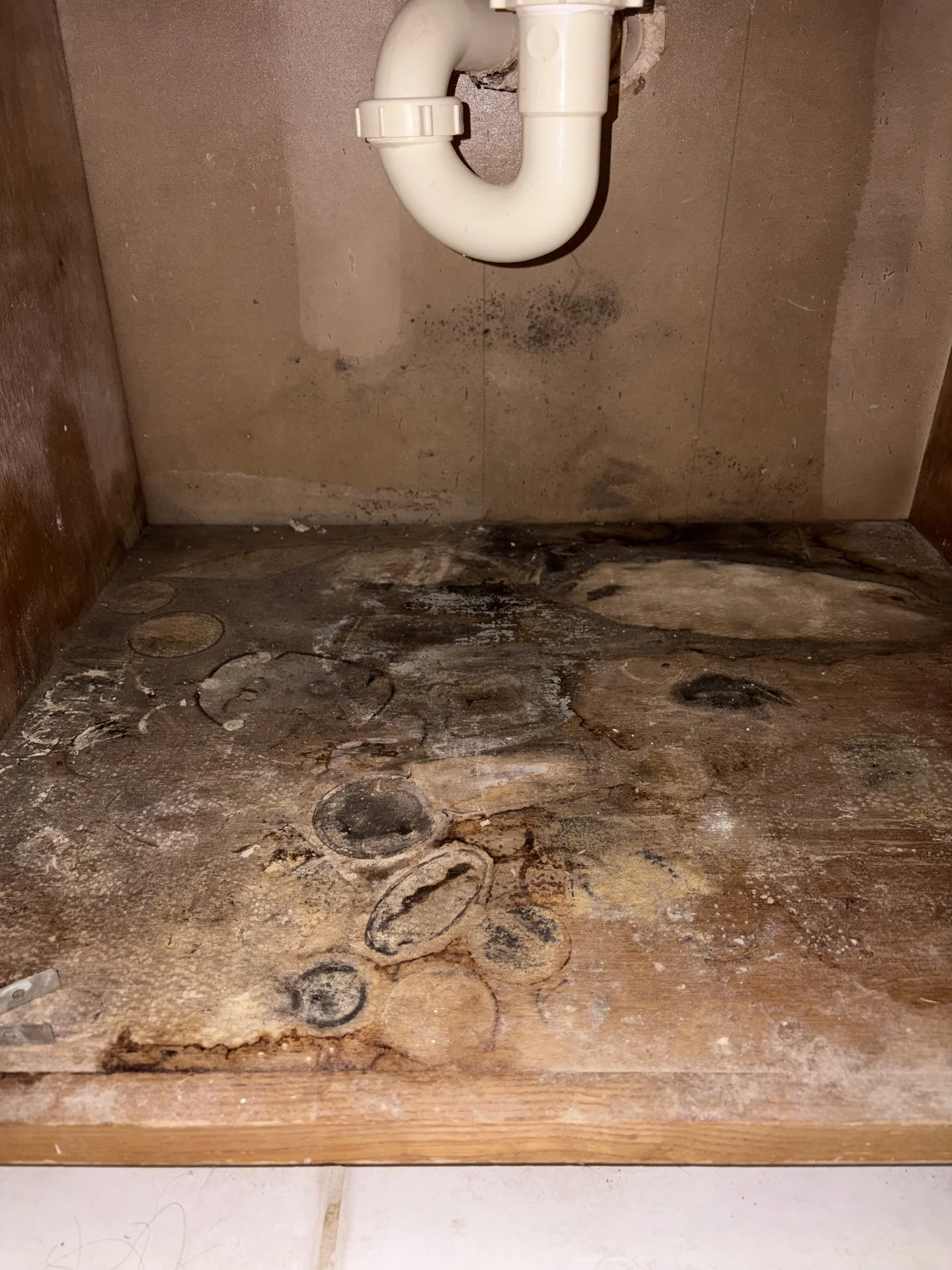
Hidden Mold Found Under a Bathroom Sink Cabinet
A homeowner reported a bathroom sink leak that occurred only during sink use. Although the sink had reportedly not been used for several days, the cabinet floor, toe kick and base were still visibly wet. The floor showed staining, swelling, delamination and suspected mold-like discoloration. A cabinet-floor swab returned Heavy Chaetomium and Heavy hyphal fragments. Through a small drilled access hole, limited borescope viewing showed suspected growth beneath the cabinet floor, and a 10-liter cavity air sample contained more than 76,000 Aspergillus/Penicillium-like spores/m³ and more than 80,000 total fungal structures/m³. Remediation of the affected cabinet and related materials appeared warranted; the specific plumbing failure and concealed extent remained undetermined.
View Case Study →