
- Location
- Grand Prairie, Texas
- Property type
- Residential
- Inspection type
- Limited mold assessment
- Primary concern
- Suspected mold in two shower areas and a downstairs bathroom exhaust vent
- Inspection
- May 2026
The Situation
A homeowner requested a limited mold assessment after suspecting mold in two bathroom shower areas and inside a downstairs bathroom exhaust vent. The assessment included three surface samples: one from each shower and one from the interior of the exhaust duct.
What Was Inspected
- Surface sampling was performed at the upstairs shower, downstairs shower, and the visible interior portion of the downstairs bathroom exhaust duct.
- The findings describe these sampled surfaces and the visible portion of the duct; they do not establish conditions throughout the full exhaust system or in unexamined areas.
What We Observed
Staining along caulk and grout in both showers looked suspicious visually. Neither shower sample confirmed active fungal growth; these results do not establish that every shower surface was free of fungal growth.
Multiple dark spots were visible inside the downstairs bathroom exhaust duct, with discoloration extending upward into the visible portion. This observation does not establish the condition of the full duct system.
Not Every Dark Bathroom Stain Was Mold
The two shower areas looked suspicious, but their surface samples returned only Minor fungal findings and were not interpreted as active mold growth. A visual appearance alone cannot reliably distinguish mold from soap residue, mineral deposits, or ordinary staining; the shower stains were not identified as any one of those alternatives.
In contrast, the exhaust-duct sample returned Heavy Cladosporium and Moderate hyphal fragments. Its findings were interpreted as active fungal growth on the sampled interior duct surface.
Moisture / Building Conditions
Both shower areas had normal adjacent surface-moisture readings. No numeric readings were supplied for this case.
Sampling Performed
- Surface sample — Upstairs shower area
- Surface sample — Downstairs shower area
- Surface sample — Interior of downstairs bathroom exhaust duct: Sampled interior surface; visible discoloration extended into the visible portion of the duct.
Surface Sample Laboratory Findings
| Sample | Finding | Reported result | Context |
|---|---|---|---|
| Upstairs shower | Non-specified spore | Minor | |
| Upstairs shower | Hyphal fragments | Minor | |
| Downstairs shower | Hyphal fragments | Minor | |
| Downstairs exhaust duct | Cladosporium | Heavy | |
| Downstairs exhaust duct | Hyphal fragments | Moderate | |
| Downstairs exhaust duct | Non-specified spore | Minor |
What the Exhaust-Duct Sample Showed
Heavy Cladosporium was reported on the sampled interior surface of the exhaust duct. The source associated the finding with dust and debris accumulation on the duct interior rather than evidence of a moisture-driven problem in the surrounding ceiling materials. This does not establish the presence or absence of mold in unexamined ceiling materials.
The source identified potential items for qualified HVAC evaluation, not confirmed causes: duct leaks, breaks or unsealed joints; exhaust-fan performance and run time; duct insulation; duct slope and routing; backdraft damper condition; and whether the duct terminates fully outdoors. No specific defect was established as the cause.
What the Findings Suggested
The two shower surface samples contained only Minor fungal findings and did not confirm active mold growth. This does not mean that the shower areas or other unsampled surfaces were proven mold-free.
The exhaust-duct sample's Heavy Cladosporium and Moderate hyphal fragments were interpreted as active fungal growth on that sampled interior surface. The finding is limited to the sample and visible area examined; it does not establish contamination throughout the entire exhaust system.
Recommendations
- Have a qualified HVAC professional inspect the exhaust duct system, including evaluation for leaks, breaks, and unsealed joints.
- Have the affected duct professionally cleaned, and have a qualified HVAC professional evaluate exhaust-fan performance and run time.
- Have a qualified HVAC professional evaluate duct insulation, slope and routing, backdraft damper condition, and whether the duct terminates fully outdoors. These are evaluation items, not identified causes.
- After cleaning, consider independent post-cleaning surface sampling of the relevant area. This is an educational recommendation and not a clearance service offered by Mold Testing Dallas.
- Routinely clean shower staining and replace degraded caulk or re-grout as normal maintenance. The assessment did not determine the shower staining to be active mold growth or establish a specific non-fungal cause.
- Maintain indoor relative humidity below 60%.
- Use exhaust fans during showers and for 15–20 minutes afterward.
What Homeowners Can Learn From This Case
Suspicious-looking shower staining did not confirm active mold growth in this case, while a sample from the visible interior of a bathroom exhaust duct did. Visual appearance alone cannot reliably identify fungal growth or its cause.
The findings apply to three surface samples and the visible duct area described here. They do not determine conditions in untested surfaces, concealed areas, or the full exhaust system.
Questions About This Case
Can mold grow inside a bathroom exhaust duct?
Yes. Dust and moisture can accumulate inside exhaust ductwork and support fungal growth under suitable conditions. In this case, Heavy Cladosporium was confirmed on the sampled interior duct surface.
Does black staining in shower grout always mean mold?
No. In this case, visually suspicious shower staining produced only Minor fungal findings and was not interpreted as active mold growth. The assessment did not identify the staining as a definite soap or mineral deposit.
Can a bathroom exhaust vent have mold when the ceiling around it is dry?
Yes. In this case, adjacent finished surfaces had normal moisture readings while fungal growth was confirmed on the sampled interior duct surface. That finding does not establish conditions throughout the duct system.
What mold was found in the bathroom vent?
The exhaust-duct sample had Heavy Cladosporium, Moderate hyphal fragments, and a Minor non-specified spore.
Related Services
Seeing Dark Spots Inside a Bathroom Vent?
Discoloration on a vent or inside exhaust ductwork can have different causes. Mold Testing Dallas can inspect the area and use targeted sampling where appropriate to determine whether fungal growth is actually present.
Schedule a Mold InspectionPublished by Mold Testing Dallas.
Related Real Inspection Cases
These separate inspection cases document findings at other HVAC components and a bathroom vanity; their conditions and results are distinct from this case.
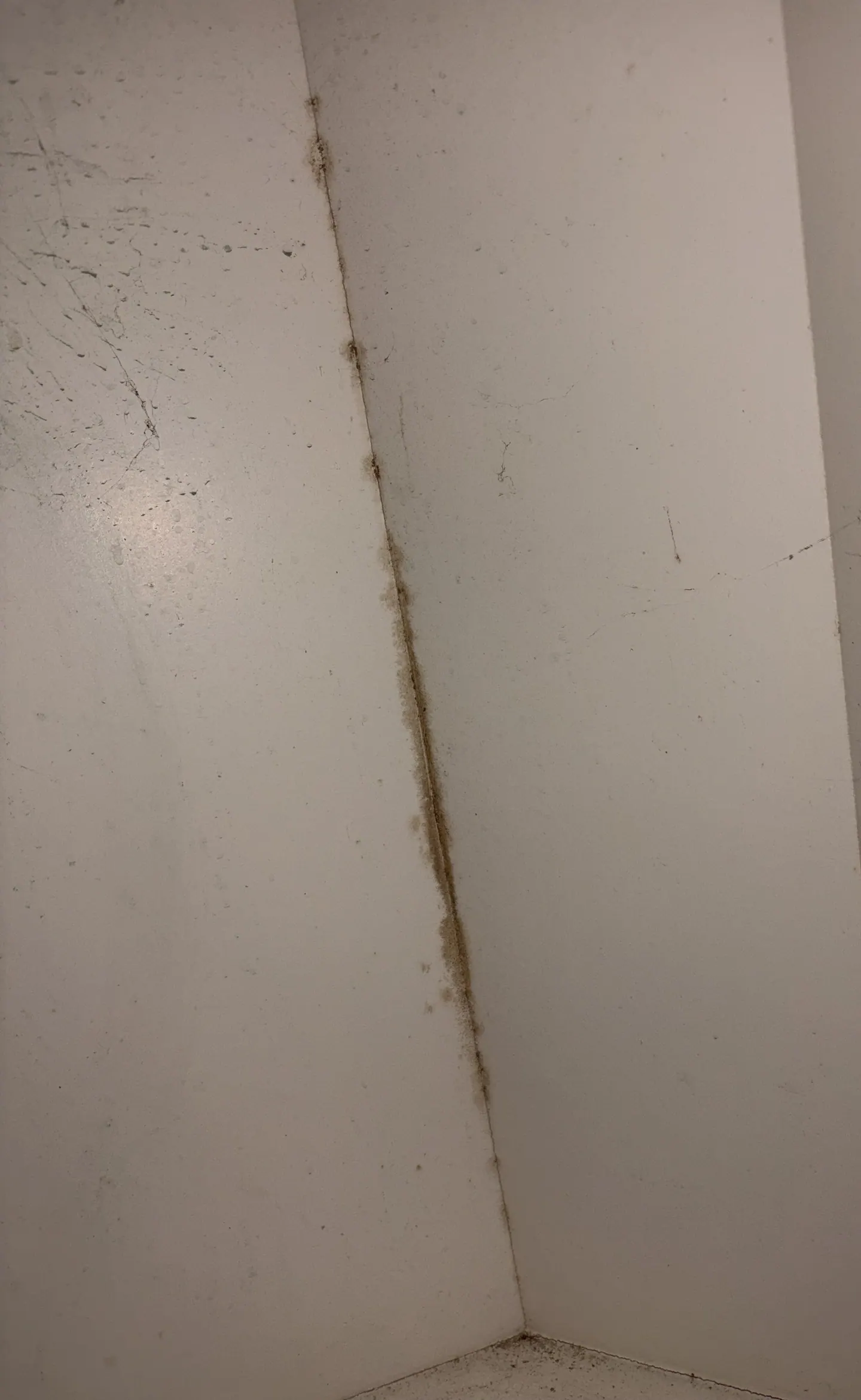
Mold Found Inside a Bathroom Vanity After a Persistent Musty Odor
A homeowner reported persistent musty odors in three adjoining or vertically stacked bathrooms. In Bathroom #1, an accessible rear vanity seam showed discoloration and its surface swab supported fungal growth. Its air sample contained more than 8,000 Aspergillus/Penicillium-like spores/m³, unlike the other two bathrooms tested. The specific moisture source was not confirmed.
View Case Study →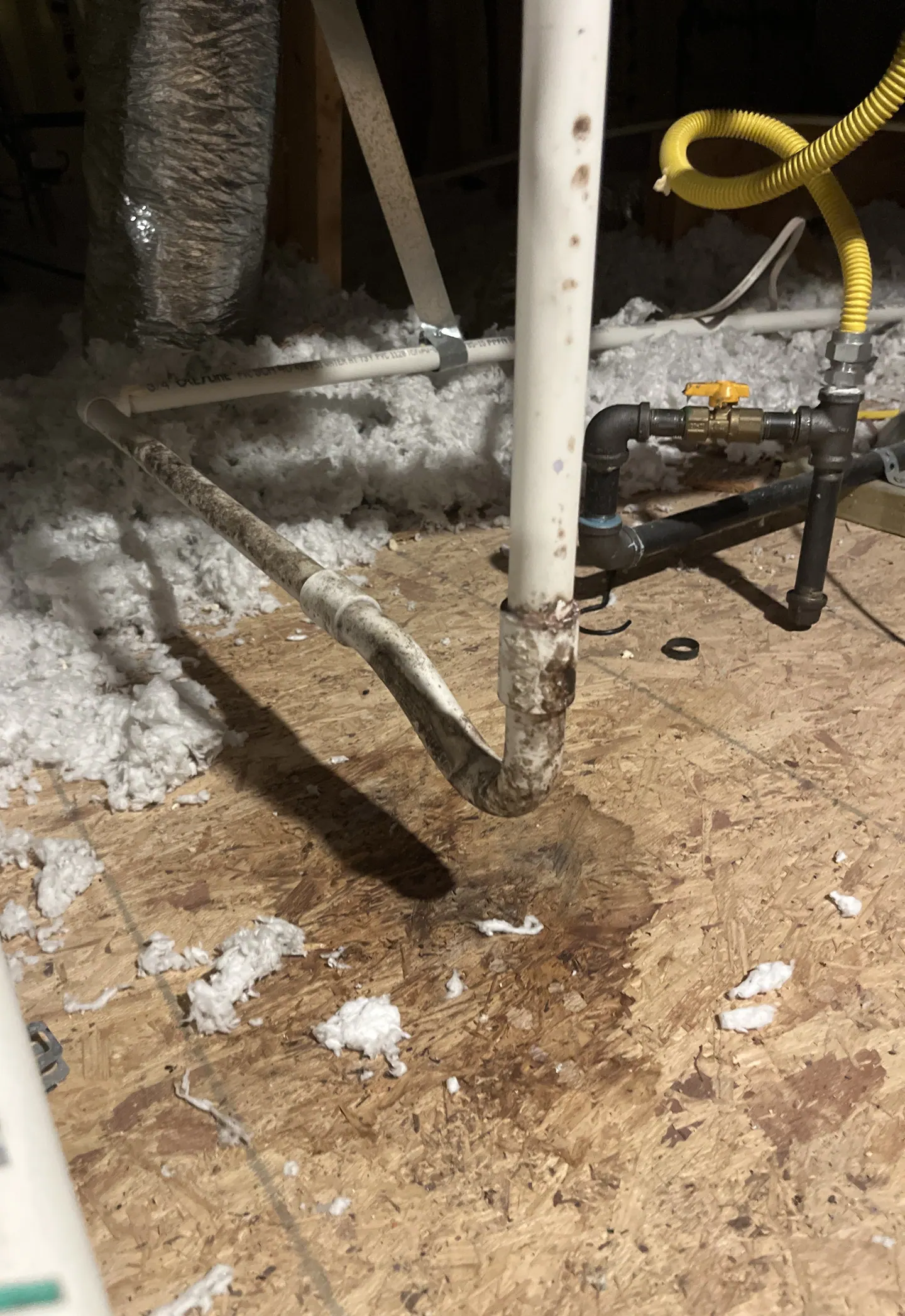
Mold on an AC Condensate Drain Line in a Dallas Attic
A Dallas homeowner requested an independent assessment after an HVAC technician noticed suspected growth on attic condensate piping. A surface swab supported fungal growth on the pipe exterior; no visible mold growth was observed inside accessible portions of the air handler or connected ductwork.
View Case Study →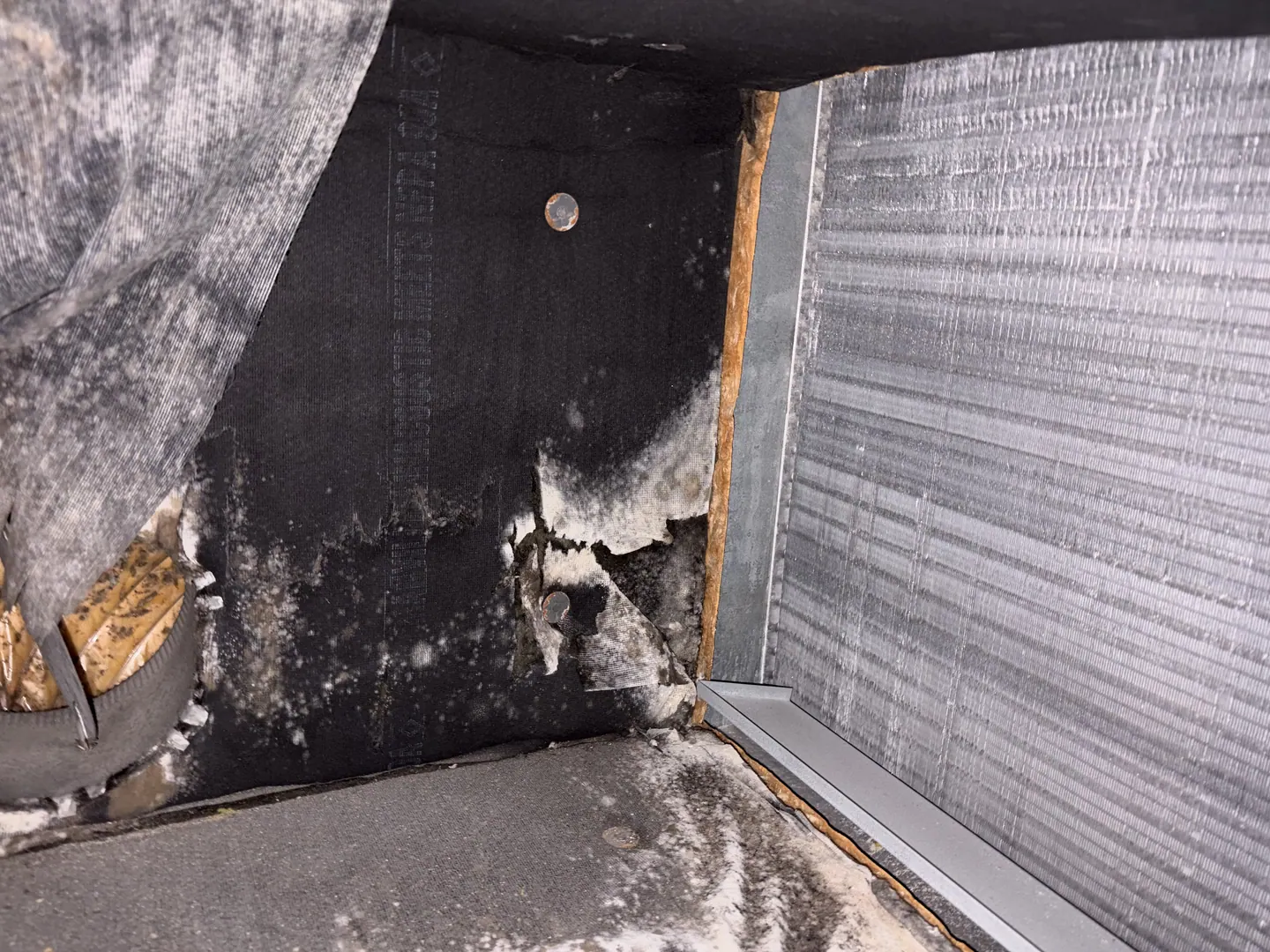
Mold Found Inside an HVAC Supply Plenum in a Dallas Home
A Dallas homeowner requested an independent assessment after an HVAC professional reported suspected growth inside an attic supply plenum. Accessible fiberglass duct-board liner showed extensive surface colonization. Surface swabs supported fungal growth inside the plenum and on a downstream living-room supply grill. No air samples were collected.
View Case Study →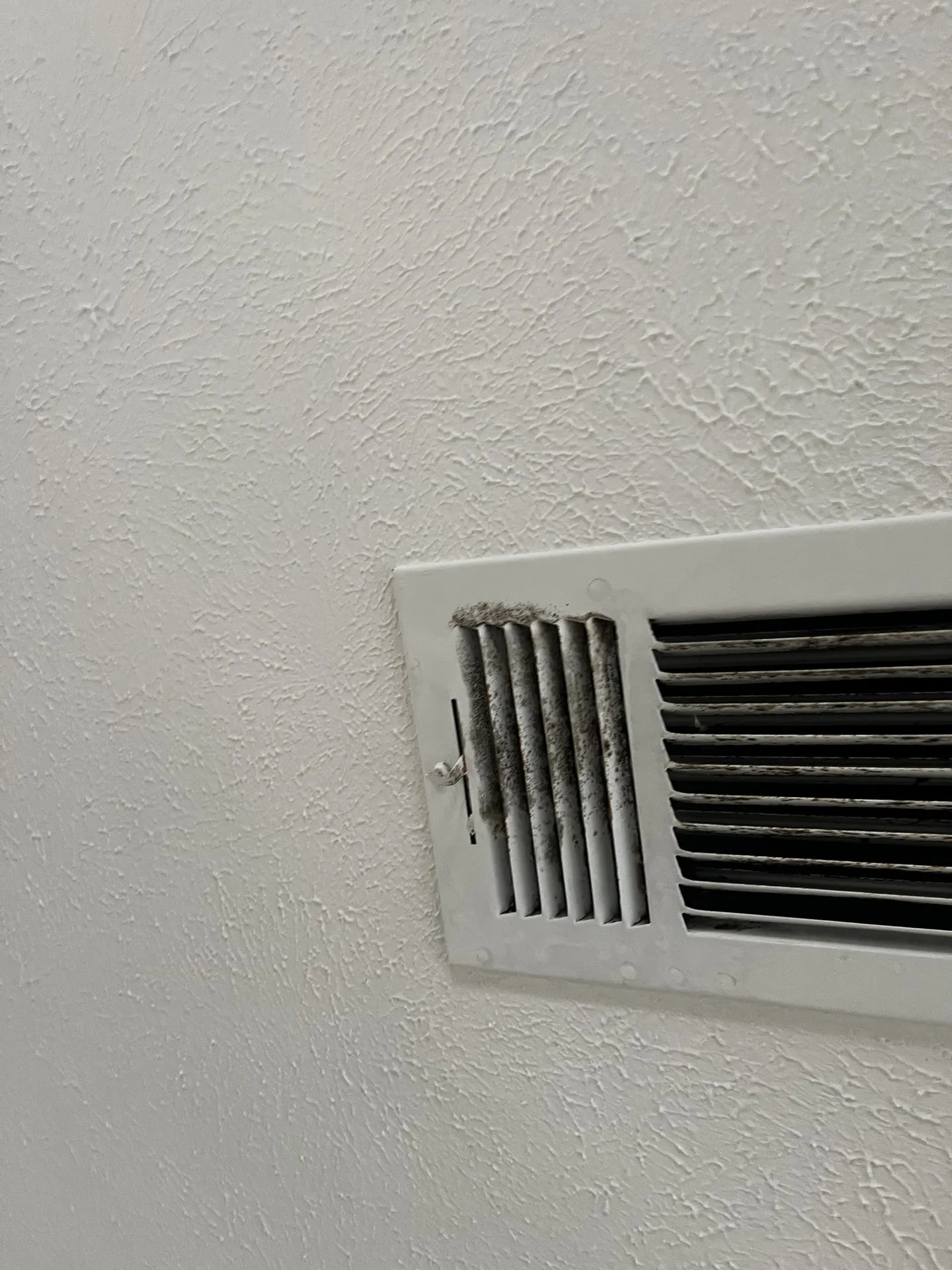
Mold Found Inside One HVAC Duct Branch in a Dallas Home
A Dallas homeowner requested an independent assessment after an HVAC contractor saw material inside supply ductwork that might have been microbial growth or dirt. Two playroom supply grills and accessible interior surfaces behind them showed visible growth. Both grills shared one duct branch with damaged jacket and insulation; the accessible air handler and other inspected runs showed no comparable growth. A swab from the left playroom grill returned Heavy Cladosporium, while the playroom air sample did not show amplification relative to an outdoor comparison at the sampled time.
View Case Study →